New Pompeii excavations reveal stunning Trojan War Fresco

In a remarkable archaeological discovery, ongoing excavations in the Regio IX area of Pompeii have unveiled an exquisite fresco depicting scenes from the Trojan War. This newly uncovered banquet hall, adorned with elegant black walls and intricate mythological motifs, offers a fascinating glimpse into ancient Pompeii’s artistic and cultural milieu.

The fresco prominently features scenes from the Trojan War, including depictions of Helen and Paris and Cassandra with Apollo. These mythological scenes provoked contemplation and conversation about fate, heroism, and the human condition during social gatherings​​​​.

The banquet hall, measuring approximately 15 meters in length and 6 meters in width, was designed to impress guests with its grandeur and artistic sophistication. The black walls, a practical choice to conceal smoke stains from oil lamps, also enhanced the vividness of the frescoes under the flickering light, creating a dynamic and immersive environment​.

Gabriel Zuchtriegel, the Director of the Archaeological Park of Pompeii, highlighted that these mythological figures provided rich topics for discussion about life and destiny among the banqueters. The scenes are not merely decorative but serve as a medium to reflect on human experiences and ancient beliefs​​.

This discovery is part of a broader initiative to preserve and explore Pompeii’s rich heritage. The Italian government has committed additional funding for future excavations, ensuring that the city continues to reveal its secrets and educate the world about ancient Roman life​.

For those planning to visit, it is highly recommended that they book tours and transfers through reputable services. One such option is available here, offering a comprehensive experience of the Campania region, including the newly uncovered marvels of Pompeii.

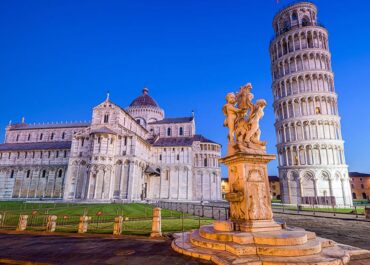
The Mystery of the Leaning Tower of Pisa

Begin with an engaging introduction that captures the reader’s interest, providing a brief overview of the Leaning Tower of Pisa, its global significance, and a teaser about what makes it lean. Mention the allure of Pisa as a city steeped in history, art, and architecture.

Where is the Leaning Tower of Pisa?

Introduce the geographical context of the Tower within Italy and Pisa, highlighting its location’s historical and cultural significance.

Why is the Leaning Tower of Pisa leaning?

Discuss the architectural and geological factors contributing to the Tower’s tilt. Include insights into the foundation, soil composition, and historical construction phases.

Attempts to correct the lean

Briefly mention the efforts and engineering projects to stabilize the Tower to prevent further leaning or collapse.

Inside the Leaning Tower of Pisa

Describe what visitors can see and experience inside the Tower, including the interior design, the view from the top, and any notable features or restrictions.

The original purpose of the Leaning Tower of Pisa

Explain why the Tower was built, its role as a bell tower, and its significance in Pisa’s Cathedral Complex, emphasizing its architectural and historical context.

Obtaining Leaning Tower of Pisa tickets

Offer practical advice on purchasing tickets, the best times to visit, ticket prices, and avoiding long wait times. Mention the benefits of booking in advance and any options for guided tours.

Wrap up with a compelling conclusion that reinforces the Tower’s uniqueness and why it fascinates people worldwide. Offer tips for visitors to enhance their experience, such as exploring nearby attractions in Pisa and the best photo spots for capturing the Tower.

Suggest exploring more of Tuscany’s beauty and historical sites by booking a tour through See Amalfi Coast Private Tours. Highlight the advantages of a guided tour, such as gaining deeper insights into the region’s history, culture, and hidden gems.

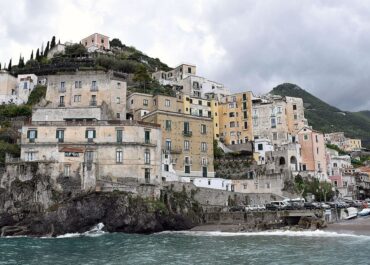
Minori: top sights & bites

Embark on a journey to Minori, an enchanting nook on the Amalfi Coast that captivates with its rich history, stunning landscapes, and culinary wonders.

Minori’s historical heart: Villa Romana

Begin your exploration at the well-preserved Villa Romana. Its elaborate frescoes and mosaics transport you back to the grandeur of ancient Rome.

Divine delights: Basilica di Santa Trofimena

Next, visit the Basilica di Santa Trofimena, a spiritual beacon with its majestic architecture and sacred relics. Its peaceful ambiance is a haven for reflection.

Culinary haven: local eateries and delicacies

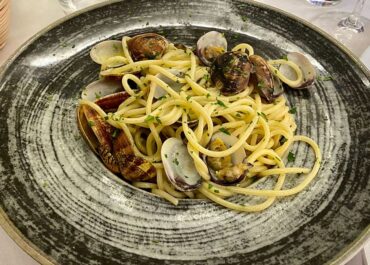
Minori is a food lover’s paradise. Relish the flavors at local trattorias where dishes like “scialatielli ai frutti di mare” showcase the town’s seafood bounty.

Sweet treats: Pasticceria Sal De Riso

Indulge in sweet confections at Pasticceria Sal De Riso, where the ‘Ricotta e Pere’ dessert embodies the essence of Italian pastry craftsmanship.

Lemon trails: the scenic Sentiero dei Limoni

Embrace the great outdoors by walking the Sentiero dei Limoni. This trail offers breathtaking views and the sweet scent of lemon groves.

Relaxing retreat: Minori’s beaches

Unwind on Minori’s beaches, where the Tyrrhenian Sea’s azure waters lap against sun-kissed shores, offering a tranquil seaside escape.

To experience the best of Minori without the hassle, consider a private transfer for a personalized and comfortable journey. Learn more and book at See Amalfi Coast Private Tours.

By gian luca bucci, CC BY 3.0, https://commons.wikimedia.org/w/index.php?curid=60706658

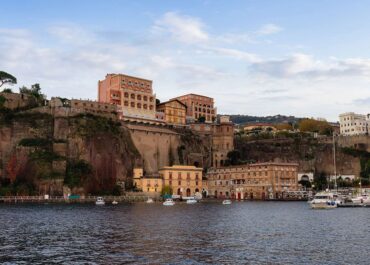
What food is Sorrento known for

Sorrento, a jewel on the Amalfi Coast, tempts travelers with its stunning vistas and a culinary tapestry rich in flavors. This town is celebrated for its vibrant citrus groves, which yield the famous limoncello, a zesty lemon liqueur that encapsulates the region’s spirit. But there’s more to savor: think of fresh seafood, gnocchi alla Sorrentina adorned with tomato and mozzarella, and the sweet, creamy delight of delizia al limone.

Sorrento’s seafood: a dive into freshness

The Tyrrhenian Sea gifts Sorrento with abundant seafood, celebrated in dishes that grace tables with the day’s freshest catch. Begin your gastronomic journey with a plate of “marinated anchovies” or “frutti di mare,” where the preparation’s simplicity enhances the sea’s natural flavors.

Gnocchi alla Sorrentina: comfort in a dish

Gnocchi alla sorrentina is comfort food redefined. These delicate potato dumplings are bathed in a rich tomato sauce, crowned with bubbling mozzarella, and baked to perfection. It’s a dish that warms the soul as much as it pleases the palate.

The pride of Italy: Sorrento’s pizza

In Sorrento, pizza isn’t just food; it’s an art form. With a perfect crust, fresh toppings, and the right char from a wood-fired oven, every pizza is a masterpiece. Don’t miss the “pizza margherita,” a tribute to Italy’s colors and Sorrento’s flavors.

Limoncello: the zesty Essence of Sorrento

No visit to Sorrento is complete without tasting its signature limoncello. This lemon liqueur is sunshine in a bottle, made from the zest of Sorrento’s lemons, steeped in alcohol, and sweetened with sugar. It’s the perfect digestive after a hearty meal.

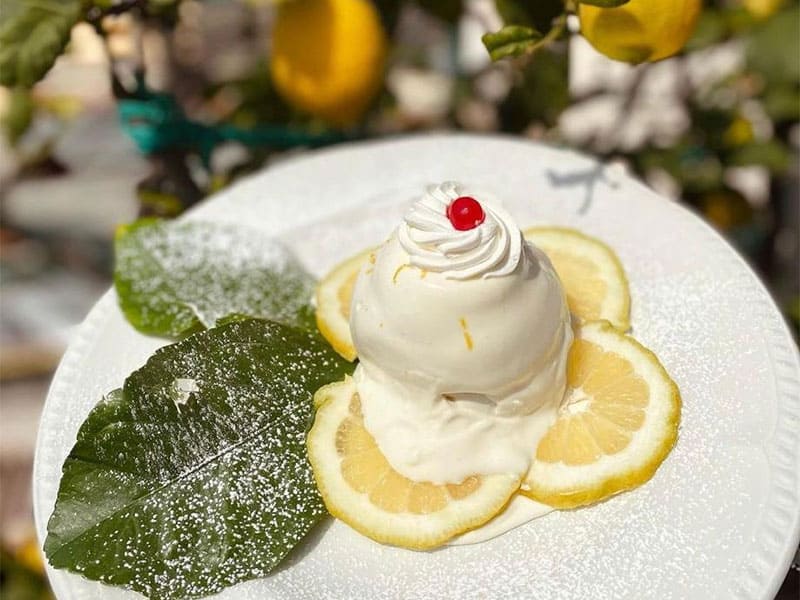
Delizia al Limone: the sweet conclusion

Photo Credit: Luciano Pignataro

“Delizia al limone” is the dessert that embodies Sorrento’s citrus groves. These sponge cakes are soaked with limoncello syrup and filled with rich lemon cream. Each bite is like a burst of sweet, tangy flavors that encapsulate the essence of Sorrento’s lemons.

Experience these flavors and more on a curated food tour with Our enogastronomy experience, where the tastes of Sorrento come to life in a symphony of flavors.

Unearth Capri’s Piazzetta: a treasure trove of secrets

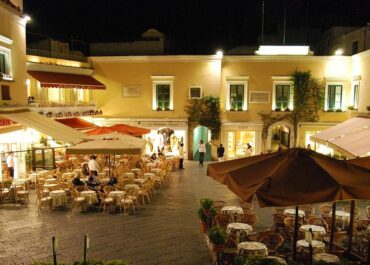
Imagine standing in the Piazzetta, the social heart of Capri, where the past and present merge seamlessly. This iconic square, accessible via a charming funicular ride, offers panoramic views that have captivated artists and writers alike. Here, history whispers tales of cultural transformations, from a humble medieval marketplace to the glittering hub of today’s elite.

Picture yourself sipping an espresso at one of the chic cafés among locals and travelers. The prices reflect Capri’s luxury status and promise an experience worth every cent. The Piazzetta is more than a place; it’s a vibrant scene of socialization, where laughter blends with the clinking of glasses, and every moment is an invitation to live la dolce vita.

With this enriched content, we aim to offer a comprehensive picture of the Piazzetta’s experience that surpasses what’s provided by competitors. It’s not just a visit; it’s an immersion into the lifestyle and allure of Capri.

Enhance your adventure with a curated Capri’s tour by See Amalfi Coast Private Tours, starting from Naples port. Our guides bring the Piazzetta’s intricate narrative to light, offering insights into this legendary space.

By Elenagm – Own work, CC BY 3.0, https://commons.wikimedia.org/w/index.php?curid=8089426

Lucca’s hidden gems: what to see in the Tuscan treasure

Begin your journey in Lucca by embracing the skies. Scale the formidable walls, ascend the historic Guinigi Tower, or brave the 207 steps of the towering Torre delle Ore for a breathtaking view.

From these heights, feast your eyes on a mesmerizing tapestry of rooftops, a mosaic that weaves together Lucca’s Roman roots and current splendor.

Discover Lucca with expert guides

For those eager to dive deeper into Lucca’s enchanting landscape and rich history, consider enhancing your experience with a guided tour. To explore what Lucca offers, check out the best tours in Lucca offered by See Amalfi Coast Private Tours by Vito. These carefully curated tours bring you closer to the heart of this Tuscan treasure, ensuring a memorable journey through its charming streets, historical sites, and breathtaking natural scenery.

The storybook squares of Lucca

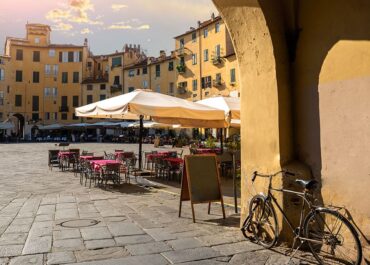
Piazza dell’Anfiteatro, a name echoing its glorious past, sits on the grounds of an ancient Roman amphitheater. Nearby, the Church of San Michele, once the bustling Roman Forum, anchors the city. Wander along the vibrant Via Fillungo and San Paolino, modern-day veins of Lucca’s social and shopping life, tracing the ancient Roman decumans.

Lucca, a welcoming haven, boasts orderly streets, a delightful culinary scene, and untouched nature. While known among the youth for the Lucca Comics & Games festival, it is often a fleeting stop before Pisa, yet Lucca demands more than a hurried visit. Spend at least three days to truly immerse in its evening allure and explore quaint neighboring villages.

Piazza dell’Anfiteatro: a Renaissance canvas

Piazza dell’Anfiteatro, a jewel in Lucca’s crown, was reborn in 1830 under Architect Nottolini’s vision, honoring its Roman amphitheater heritage. Despite sacrificing much of the Roman relics, glimpses into the past peek through the shops encircling the square. Its harmonious embrace, accessible from grand entrances, is accessed through quaint arched doorways, creating a secluded haven. This bustling square, with its cafés and markets, is the pulsating heart of Lucca, cherished by locals and travelers alike.

The Cathedral of Lucca: a mosaic of history and art


The Cathedral of Saint Martin, a masterpiece of asymmetry, blends seamlessly with its ancient bell tower. Admire the polychrome façade reminiscent of Pisa’s Cathedral and discover the labyrinth symbolizing life’s journey. Inside, the Funeral Monument of Ilaria del Carretto and revered artworks like the Volto Santo and masterpieces by Ghirlandaio and Tintoretto await. Ascend the bell tower for a panoramic embrace of Lucca.

The Cathedral Museum: a treasure trove of art and history

Steps away, the Cathedral Museum unfolds in eight rooms, showcasing the choir, illuminated manuscripts, and the Jewels of the Holy Face. Nearby, the Monumental and Archaeological Complex of San Giovanni and Santa Reparata reveals layers of Lucca’s history.

San Michele and San Frediano: spiritual beacons of Lucca

Lucca, the ‘city of 100 churches,’ is home to the splendid San Michele and San Frediano. Rising from the ancient Roman Forum, San Michele boasts a striking façade topped with Saint Michael the Archangel. San Frediano captivates with its unique facade mosaic and exquisite baptismal font.

The Majestic walls of Lucca: a living legacy

Lucca’s Walls, an architectural marvel, stretch over 4 kilometers. More than just fortifications, these walls are a vibrant space for leisure, sports, and enjoying stunning city views. A testament to their design, they have stood the test of time, protecting Lucca from historical floods and wars.

Exploring Lucca: practical information

The Cathedral, Bell Tower, Museum, Baptistery, and Church of Saints Giovanni and Reparata beckon with their history and art. Visit their official website for detailed visiting hours and ticket prices.

Medieval Marvels: Guinigi tower and Torre delle Ore

In an era where Lucca boasted 250 towers, only two stand today – the Guinigi Tower and the Torre delle Ore. The Guinigi Tower, a 15th-century marvel erected by the affluent Guinigi family, rises 45 meters high. Its crowning glory is a rooftop garden, where holm oaks have thrived for centuries, offering a serene respite from the 230-step ascent.

The Torre delle Ore, a magnet for timekeeping aficionados, houses a 1754 clock mechanism still ticking away. Climbing its 207 steps rewards you with a view even more stunning than its counterpart.

Exploring Lucca’s towers: a practical guide

  • Guinigi Tower: Open from 9:30, with varying closing times throughout the year. Admission: €5.
  • Torre delle Ore: Seasonal opening times, closed in winter. Admission: €5.
  • Location: Via S. Andrea, in the historic center.

Artistic Splendor at Palazzo Mansi

The 17th-century Palazzo Mansi, once the domicile of the affluent Mansi family, now houses Lucca’s premier art collection. The journey begins with opulent family apartments, leading to an art gallery boasting masterpieces like “The Triumph of Galatea” by Pietro Testa and “Saint Sebastian” by Luca Giordano.

Visiting Palazzo Mansi

  • Open: Tuesday to Saturday, with guided tours only.
  • Admission: €4 (full), €2 (reduced).
  • Location: Via Galli Tassi 43, near the Church of San Michele.

Piazza Napoleone: Lucca’s Grand Square

Piazza Napoleone, named after Elisa Bonaparte, doesn’t quite match Piazza dell’Anfiteatro’s charm but holds its significance. This square, once a fortress, now houses the Ducal Palace and is a lively hub filled with shops, bars, and restaurants.

Giacomo Puccini’s Legacy at Casa Museo Puccini

The birthplace of Giacomo Puccini in Corte San Lorenzo is a pilgrimage site for music lovers. This house museum, adorned with scores, photos, and artifacts, tells the tale of the composer behind operatic masterpieces like Tosca and Madama Butterfly.

Exploring Puccini’s roots

  • Open: Varies seasonally, closed on Tuesdays.
  • Admission: €9.
  • Location: Corte San Lorenzo, in the heart of Lucca.

Palazzo Pfanner:  a cinematic journey

Palazzo Pfanner, a 17th-century palace with a stunning Baroque garden, has graced several film sets. The Prince Federico suite offers an immersive experience with its frescoes and panoramic views.

Visiting Palazzo Pfanner

  • Open: April to November, 10:00 – 18:00.
  • Admission: €6.5 for both garden and palace.
  • Location: Via degli Asili, 33, near the Walls of Lucca.

Devil’s Bridge and Beyond: Lucca’s Natural Wonders

The Serchio River Park and neighboring villages like Montecarlo and Capannori are just minutes from Lucca’s center. The Devil’s Bridge’s medieval “donkey-back” design is a testament to architectural ingenuity.

Lake Vagli: a submerged mystery

An hour’s drive from Lucca, Lake Vagli offers a serene environment and a fascinating history with the submerged village of Fabbriche di Careggine, occasionally visible during lake drainages.

Torre del Lago – Puccini’s retreat

This area, a 30-minute drive from Lucca, is where the renowned composer Giacomo Puccini called home. His villa, now a museum, and the picturesque Lake Massaciuccoli and the Puccini Festival make it a cultural and natural haven.

Exploring the wonders: famous Monuments in Naples

Naples, a city where history whispers from every corner, is a canvas painted with the vibrant hues of its past. Known for its rich tapestry of culture, art, and architecture, Naples is a labyrinth of wonders waiting to be explored. In this journey, we delve into the famous monuments of Naples – from bustling piazzas that pulse with life to regal palaces echoing stories of yesteryears, from formidable castles standing guard over the city to sacred basilicas steeped in spiritual heritage. Each monument in Naples is not just a structure; it’s a narrative of the city’s soul, a testament to its enduring charm. Join us as we wander through the cobbled streets of Naples, uncovering the secrets and stories behind its most celebrated landmarks.

In the following sections, we will explore each category of monuments in detail, immersing ourselves in Naples’s historical and cultural richness. Whether you’re a history buff, an architecture enthusiast, or simply a lover of beautiful places, Naples has something to captivate every traveler.

As you delve into the captivating history of Naples with our guide, why not take the next step and join us for a journey through its wonders? At See Amalfi Coast Private Tours, we offer the best Naples tours, designed to bring the city’s rich tapestry of art, culture, and history to life. Our expert-guided local tours will take you beyond the pages, allowing you to walk through ancient streets, marvel at majestic churches, and experience the soul of Naples firsthand. Each tour is a carefully crafted adventure, ensuring you have a truly memorable experience. Begin your exploration of this timeless city with us – check out the best Naples tours we have to offer and embark on an unforgettable journey!

Historic squares, steps, and streets in Naples

The essence of Naples is best captured in its bustling squares, historic stairways, and ancient streets. Each of these places not only offers a unique perspective of the city’s vibrant life but also narrates stories from its rich past. Let’s take a closer look at some of these iconic spots.

Piazze: The Beating Hearts of Naples

Naples’ squares are much more than mere open spaces; they are the epicenters of history and everyday life. Here’s a more comprehensive look at these vibrant locations:

  • Largo Banchi Nuovi & Largo Corpo di Napoli: Small yet historically rich squares, reflecting the city’s intricate urban tapestry.
  • Piazza Amedeo, Piazza Carità, & Piazza Carlo III: Each square showcases Neapolitan life and history.
  • Piazza Cavour & Piazza Dante: Known for their bustling atmosphere and cultural significance.
  • Piazza dei Martiri & Piazza del Gesù Nuovo: Spaces that beautifully blend the old with the new.
  • Piazza del Mercato & Piazza del Municipio: Vibrant squares surrounded by architectural marvels.
  • Piazza del Plebiscito & Piazza della Vittoria: Grand squares have witnessed significant events in Naples’ history.
  • Villa Comunale di Napoli & Piazza Enrico De Nicola: Offering a green escape in the urban landscape.
  • Piazza Garibaldi, Piazza Giovanni Bovio, & Piazza Luigi Miraglia: Key locations in the city’s social and commercial life.
  • Piazza Matteotti, Piazza Giuseppe Mazzini, & Piazza Mercadante: Each square tells its unique story.
  • Piazza Monteoliveto, Piazza Nicola Amore, & Piazza Nolana: Bustling with local life and historical buildings.
  • Piazza Piedigrotta, Piazza Sisto Riario Sforza, & Piazza San Domenico Maggiore: Classic examples of Naples’ rich architectural heritage.
  • Piazza San Gaetano, Piazza San Martino, & Piazza Sannazaro: A blend of historical significance and modern charm.
  • Piazza Trieste e Trento, Piazza Vanvitelli, & Piazzetta Duca d’Aosta: Notable for their architectural beauty and cultural importance.
  • Piazzetta Nilo, Piazzetta Girolamini, Rotonda Diaz, & Tondo di Capodimonte: Smaller squares with unique charm and history.

Historic steps and bridges

Naples’ stairways and bridges are as much a part of its character as its squares:

  • Scalinata di Capodimonte: Offering breathtaking views and a touch of tranquility.
  • Ponte di Chiaia, Ponte della Maddalena, & Ponte della Sanità: Bridging different parts of the city with historical significance.
  • Gradini Conte di Mola & Rampe di Pizzofalcone: Stairways that provide a unique perspective of the city’s layout.

The Veins of Naples: streets and alleys

Naples’ streets and alleys are the lifelines that carry the pulse of the city:

  • Spaccanapoli & Via Toledo: Streets that represent the heart of Neapolitan life.
  • Via Chiaia & Via San Gregorio Armeno: From fashion to traditional craftsmanship.
  • Viale Antonio Gramsci & Via Partenope: Blending modernity with the city’s historical charm.
  • Vico Santo Spirito di Palazzo & Vico Sospiri: Narrow alleys filled with the echoes of history.

As we continue our journey through Naples, we will uncover more about its royal residences, castles, and other monumental sites that contribute to the rich mosaic of this city’s heritage. Stay tuned for more insights into the wonders of Naples.

Royal Residences of Naples

Naples, a city that once thrived under the rule of kings and queens, is dotted with royal residences, each narrating tales of opulence, power, and artistic brilliance. These palaces and villas are not just architectural wonders but also repositories of history and art. Let’s delve into some of the most significant royal residences in Naples.

Palaces of Royal Grandeur

  • Palazzo Reale: Standing majestically in the heart of Naples, this palace has been the historical home to the Bourbon Kings of Naples. Its rooms and halls are a testament to the lavish lifestyle of the monarchs.
  • Reggia di Capodimonte: Originally a hunting lodge, this majestic palace now houses the Capodimonte Museum, displaying an impressive collection of art and historical artifacts.
  • Salottino di porcellana di Maria Amalia di Sassonia: A remarkable example of Rococo art, this porcelain-decorated room in the Royal Palace is a testament to the artistic tastes of Queen Maria Amalia of Saxony.

Royal Residences Beyond the City Center

  • Reggia di Portici: Located in the nearby town of Portici but an integral part of Naples’ 18th-century urban planning, this palace is a beautiful example of Neapolitan Baroque architecture.
  • Tenuta degli Astroni: This estate, once a hunting reserve for the royalty, now stands as a natural oasis, preserving a piece of Naples’ royal heritage amidst lush greenery.

Villas: The Royal Retreats

  • Villa Floridiana: Nestled in the Vomero quarter, this villa was a gift from King Ferdinand I to his wife. It’s known for its beautiful park and offers panoramic views of the Gulf of Naples.

These royal residences, with their majestic architecture and lush gardens, offer a glimpse into the luxurious life of Naples’ past monarchs and are a must-visit for anyone interested in the city’s royal history. In the next section, we will explore the castles of Naples, each a symbol of the city’s rich past and architectural grandeur.

Castles of Naples: Guardians of History

The castles of Naples are not only architectural marvels but also storied fortresses that have witnessed the city’s tumultuous history. Each castle has its own unique story, contributing to the rich tapestry of Naples’ past.

The Majestic Castles

  • Castel Capuano: Originally a castle, it later became one of the city’s most important law courts.
  • Castel dell’Ovo: Naples’ oldest castle, located on the islet of Megaride, offering stunning views of the bay.
  • Castel Sant’Elmo: Dominating the city’s skyline, this fortress offers panoramic views and houses historical museums.
  • Maschio Angioino (Castel Nuovo): A symbol of Naples, known for its iconic triumphal arch and rich history.
  • Caserma Garibaldi & Castello di Nisida: These structures, though less known, play an integral part in the city’s military history.
  • Forte di Vigliena: A fort that showcases the strategic military architecture of its time.

The Ruins and Remnants

  • Castello del Carmine (resti): The ruins that offer a glimpse into the city’s medieval past.

Monumental Galleries of Naples

Naples’ galleries are more than shopping destinations; they are architectural wonders and cultural hubs, reflecting the city’s artistic and commercial history.

The Architectural Splendors

  • Galleria Umberto I: A stunning example of 19th-century architecture, known for its beautiful glass dome and intricate floor designs.
  • Galleria Principe di Napoli: Another architectural marvel, offering a mix of culture, art, and retail in a magnificent setting.

Basilicas of Naples: Spiritual Beacons

The basilicas of Naples are not just places of worship but also repositories of art, history, and architecture. They stand as testaments to the city’s religious and cultural richness.

The Sanctuaries of faith and art

  • Basilica di Santa Chiara: Renowned for its beautiful cloisters and intricate majolica tiles.
  • Basilica di San Francesco di Paola: A stunning circular church in Piazza del Plebiscito, symbolizing the religious heart of the city.
  • Basilica della Santissima Annunziata Maggiore & Basilica dello Spirito Santo: These basilicas are rich in history and artistic treasures.
  • Basilica di San Gennaro fuori le mura & Basilica di San Giovanni Maggiore: Ancient basilicas that have played significant roles in Naples’ religious life.
  • Basilica di San Lorenzo Maggiore & Basilica di San Paolo Maggiore: Sites where history and spirituality meet, offering a deep insight into the city’s past.

Chapels of Naples: intimate spaces of devotion

Naples’ chapels are intimate spaces that offer a closer look at the city’s religious and artistic heritage.

The hidden gems

  • Cappella Sansevero (Chiesa di Santa Maria della Pietà): Home to the famous Veiled Christ sculpture, a masterpiece of marble craftsmanship.
  • Cappella dei Pontano & Cappella del Monte di Pietà: Chapels that combine historical significance with artistic beauty.
  • Cappella della Villa Doria d’Angri & Cappella di Palazzo Ruffo di Bagnara: Examples of private chapels that are rich in history and art.

These castles, galleries, basilicas, and chapels represent the multifaceted character of Naples – a city where art, history, and spirituality intertwine to create a unique and unforgettable experience.

The Churches of Naples: a tapestry of art and history

Naples, steeped in rich religious and artistic traditions, boasts an array of churches that are not just places of worship but also monuments of historical and cultural significance. Each church, with its unique architectural style and art, tells a different story of the city’s past.

Exploring the richness of Naples’ Churches

  • Chiesa della Trinità Maggiore & Chiesa dei Girolamini: These churches stand as exemplars of religious architecture, housing significant works of art.
  • Chiesa di San Giovanni a Carbonara & Chiesa di Sant’Anna dei Lombardi: Rich in art and history, these churches reflect the evolution of Neapolitan culture over centuries.
  • Chiesa di San Nicola alla Carità & Chiesa di San Pietro a Maiella: Churches that blend artistic magnificence with historical depth.
  • Chiesa di Santa Maria della Sapienza & Chiesa di Santa Maria la Nova: Epitomes of religious and architectural grandeur in Naples.
  • Chiesa dei Santi Marcellino e Festo & Chiesa di Sant’Angelo a Nilo: Each one a repository of art, with frescoes and sculptures that depict the city’s past.
  • Chiesa di Santa Caterina a Formiello & Chiesa dei Pappacoda: Churches known for their distinctive architectural features and historical importance.
  • Chiesa del Gesù Nuovo & Chiesa del Divino Amore: Examples of religious sites that are integral to the spiritual and cultural landscape of Naples.

The lesser-known yet equally magnificent

  • Chiesa di San Domenico Maggiore & Chiesa di San Lorenzo Maggiore: These churches are not just religious sites but also cultural landmarks, each with a story to tell.
  • Chiesa di Santa Chiara & Chiesa di San Gregorio Armeno: Famous for their stunning architecture and historical significance.
  • Chiesa di San Ferdinando & Chiesa di San Francesco delle Monache: Each church offers a unique glimpse into Naples’ religious art and architecture.

Cloisters in Naples: havens of serenity

Naples’ cloisters are an integral part of the city’s religious architecture. They offer peaceful retreats amidst the urban landscape, often adorned with art and surrounded by lush gardens.

The artistic and peaceful cloisters

  • Chiostro maiolicato di Santa Chiara & Chiostri di San Martino: Renowned for their beautiful decorations and tranquil atmosphere.
  • Chiostri dei Girolamini & Chiostro di San Gregorio Armeno: These cloisters are oases of calm, each with its unique historical and artistic value.

Naples’ Monumental libraries and archives

The libraries and archives of Naples are much more than repositories of books and documents. They are custodians of the city’s rich literary and historical heritage and stand as monuments to its intellectual life.

The treasure troves of knowledge

  • Biblioteca nazionale Vittorio Emanuele III & Archivio di Stato di Napoli: Essential for anyone researching Naples’ or Italy’s history.
  • Biblioteca dei Girolamini & Biblioteca dell’Osservatorio Astronomico di Capodimonte: These institutions house vast collections that range from ancient manuscripts to modern scientific works.

These churches, cloisters, and libraries in Naples are not just destinations for religious and intellectual pursuits. They are also beacons of the city’s artistic and cultural legacy, embodying the essence of Naples as a center of art, history, and spirituality.

Campania crowned the culinary champion: a taste of the World’s best food region

The latest TasteAtlas Awards have spoken, and Campania has emerged as the world’s premier food region, outshining other renowned gastronomic hotspots. This southern Italian region, home to the ancient city of Naples, the vibrant Amalfi Coast, and the historic ruins of Pompeii, has long been celebrated for its rich culinary traditions and exceptional produce. The award, a significant feather in Italy’s cap, is a testament to Campania’s dedication to preserving its food heritage while continuing to innovate and delight food lovers globally.

Exploring Campania’s gastronomic dlights

Campania’s cuisine is a treasure trove of flavors, with each dish telling a story of the region’s lush landscapes and cultural crossroads. From the world-famous Neapolitan pizza to the succulent seafood of the Amalfi Coast, there’s an endless banquet of dishes to explore. The region’s fertile volcanic soil produces a distinctive flavor, as seen in the San Marzano tomatoes and the unique buffalo mozzarella. Local vineyards produce exquisite wines, perfect companions to the gastronomic feast.

Book Your clinary aventure with See Amalfi Coast Private Tours

To truly experience the best that Campania has to offer, a tailored tour with See Amalfi Coast Private Tours is indispensable. They specialize in crafting personalized itineraries that immerse travelers in the culinary heart of the region. Visitors can enjoy exclusive cooking classes, wine tastings, and visits to local markets, all while enjoying the breathtaking scenery of the coast. Booking a tour with them ensures a once-in-a-lifetime journey through the flavors that have made Campania the world’s top food region, according to Taste Atlas Awards.

What to see in Naples: attractions, sights, and landmarks

Naples is a vibrant city in Italy situated on the Gulf of Naples and the Campania region. It is known for its beautiful coastline, delicious food, and ancient history. From exploring the cobbled streets of the historic city center to discovering some of the unique architectural wonders that have made Naples famous, there are plenty of things to do in this great city.

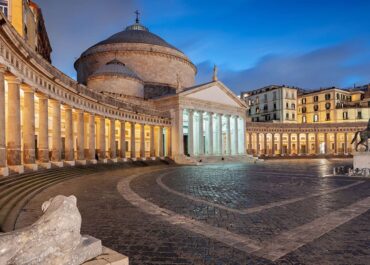
Start your trip by visiting the Castel dell’Ovo, a 12th-century castle on the seafront with a fascinating history. Or take a stroll around Spaccanapoli, an area of Naples filled with winding streets and alleyways with lots of interesting shops and eateries to explore. Then head over to Piazza del Plebiscito – a grand square surrounded by two stunning neoclassical palaces – where you can find live music and street performances.

If you’re looking to experience some of Naples’ cultural attractions, visit the Museo Archeologico Nazionale di Napoli, which houses an impressive collection of artifacts from antiquity and Roman times. There’s also the Galleria Umberto I, an art gallery featuring works from Italy’s most celebrated artists, such as Caravaggio and Botticelli. And if you’re into theatre, don’t miss out on Teatro di San Carlo -the oldest opera house in Europe!

For something different, why not take a guided tour of some of Naples’ historical catacombs? This will give you a unique insight into the city’s past while also allowing you to explore underground tunnels filled with ancient artifacts. Finally, if you’d like to spend some time outdoors, why not take a walk along Lungomare Caracciolo – one of the most scenic spots in town – or take a boat tour around the Bay of Naples to admire its stunning views?

What’s more, why not try scuba diving or snorkeling if you’re feeling adventurous? You’ll discover magnificent underwater sights, such as colorful coral reefs and mesmerizing sea life! But, no matter what activity you choose during your stay in Naples, one thing is sure: it will be an unforgettable experience!

Intrigued by Naples’ rich heritage and iconic landmarks? Dive deeper into the stories and history behind the city’s renowned monuments by visiting our detailed article. Discover the architectural marvels and historical significance of Naples’ most famous sites. For an in-depth exploration, click here to read more about the famous monuments in Naples. Your journey through Naples’ past awaits!

How long should I stay in Naples?

If you’re planning a trip to Naples, you may be wondering how long you should stay. Of course, the answer depends on what you want to do while there. If you’re looking for a relaxing getaway, plan to stay for at least four days. This will give you plenty of time to take in the sights of the city and explore attractions like Pompeii and the Amalfi Coast. Naples also has excellent beaches where you can relax and soak up the sun.

If you prefer a more active vacation, plan for a minimum of seven days. This should give you enough time to take advantage of Naples’s activities, from visiting museums and historical sites to hiking in the nearby mountains and taking boat tours around the bay. You can also explore nearby islands like Capri and Ischia or visit smaller towns like Sorrento, Positano, and Amalfi.

No matter what type of holiday experience you are looking for, Naples is sure to have something that will appeal to everyone. With so much to see and do, it’s easy to spend an entire week or more in this beautiful city. So if you’re considering taking a trip to Naples, plan accordingly!

What is the best time to visit Naples, Italy?

Visiting Naples, Italy, is an experience of a lifetime! With its stunning landscapes, rich cultural heritage, and delectable cuisine, you will want to take advantage of the opportunity to explore this beautiful region. But when is the best time to visit?

The answer depends on what kind of experience you are looking for. For warm weather, the best time to visit Naples is from late April through October. During these months, temperatures are mild and comfortable, allowing you to enjoy all the city offers. However, the peak season for tourists is in July and August, so expect prices to be higher and crowds to be more prominent during this time.

If you’re looking for fewer crowds and lower prices, consider visiting Naples in the off-season between November and March. Although temperatures can be chilly during this time of year, it’s still possible to enjoy many of the city’s attractions. Plus, you’ll find that some of the most iconic sites—such as the Castel dell’Ovo—are even more beautiful in the wintertime.

No matter when you visit Naples, there are plenty of things to see and do. From taking a tour of some of the city’s most impressive monuments—such as the Galleria Umberto I—to sampling Neapolitan specialties like pizza or sfogliatelle pastries, there’s something for everyone in Naples!

How can I have fun in Naples?

Are you looking for a fun time in Naples? This vibrant city in southern Italy has something to offer everyone. Whether you’re a thrill seeker, foodie, culture vulture, or just looking to relax, Naples has plenty of activities to choose from.

For those who love the outdoors, the city is surrounded by stunning views of the Mediterranean Sea and is an excellent place for beach activities such as swimming, surfing, and sunbathing. There are also plenty of hiking trails and biking routes that can take you through the beautiful countryside surrounding Naples.

If you’re a history buff, Naples offers some fantastic sights. The city is full of art galleries, churches, castles, and other historic buildings to explore. The nearby archeological sites of Pompeii and Herculaneum are worth visiting, too – they have been wonderfully preserved since their destruction in 79AD.

Foodies will be in heaven in Naples – the area is famous for its delicious Neapolitan cuisine. Be sure to sample classic dishes like pizza Margherita and spaghetti alla puttanesca and more unusual delicacies such as tripe and fried zucchini flowers. Remember to wash it all down with a glass or two of limoncello!

Shopping is also an enjoyable activity in Naples. You can find everything from designer boutiques to colorful local markets selling typical Neapolitan souvenirs like hand-painted ceramics and coral jewelry. 

Finally, if all you want is to relax and take it easy on your holiday, head to one of the many tranquil beaches around Naples. Enjoy breathtaking sunsets while sipping an Aperol spritz, or watch the waves roll in from your beach chair – there’s no better way to unwind!

What to see in Naples: the most excellent part of Naples?

The most excellent part of Naples is undoubtedly the ancient city center. This area is filled with stunning architecture, cobblestone streets, and historic sites, making it an absolute must-see for anyone visiting the city. The old town is full of narrow alleys and winding roads, with restaurants and cafes offering delicious local cuisine. Strolling through these streets gives you a real sense of what life was like centuries ago. 

Another great spot in Naples is the waterfront promenade known as Lungomare. From here, you can get incredible views of the Bay of Naples and Mount Vesuvius while taking a stroll along the boardwalk. Then, take a break from strolling to grab some seafood at one of the restaurants or enjoy a drink at one of the many bars. 

The Piazza del Plebiscito is also a fantastic place to visit in Naples. This beautiful piazza is home to some of Italy’s most important historical monuments, including the Royal Palace and San Carlo Theater. It’s also surrounded by lovely cafes where you can sit back and enjoy a coffee or glass of wine as you take in all the sights.

Finally, one of the most pleasant parts of Naples is its many parks and gardens. The Villa Comunale park offers stunning views of Mount Vesuvius from its terrace while boasting lush gardens with exotic plants and vibrant flowers. The nearby Certosa di San Martino monastery is another excellent spot to explore if you’re looking for peace away from the city life’s hustle and bustle. 

No matter your preference, there’s no denying plenty of beautiful places to explore in Naples. From its rich history to its charming atmosphere, there’s something for everyone in this beautiful Italian city – making it an ideal destination for anyone looking for a memorable vacation!

What is there to do in Naples, Italy, this weekend?

This weekend in Naples, Italy, there’s a plethora of activities to choose from! If you want to explore the city, you can tour the historic center, which includes world-famous sites like the Piazza del Plebiscito and Castel dell’Ovo. You can also stroll along the waterfront and take stunning views of Mt. Vesuvius and the Mediterranean Sea.

For outdoor fun, head to Parco Virgiliano or Villa Comunale for breathtaking views of the Bay of Naples. Or, if you’re feeling adventurous, you can hike up Mt. Vesuvius and explore the ruins of Pompeii! Finally, remember to check out the nearby islands of Ischia and Capri for some incredible beaches and picturesque scenery.

If shopping is more your thing, don’t miss out on Via Toledo – one of Naples’ most popular shopping streets full of designer boutiques, high-end stores, and quaint side streets filled with local artisans selling handmade goods. There are also plenty of places to grab a bite to eat or enjoy a few drinks throughout the evening.

And lastly, if you’re looking for something unique this weekend in Naples, why not visit one of its many underground churches? These ancient structures are filled with stunning artwork and religious artifacts that will make your experience unforgettable. 

So whatever it is you’re looking for this weekend in Naples – exploring history, enjoying nature, shopping till you drop, or trying something new – there’s an activity for everyone!


Discovering Sicily’s Mesmerizing beaches: Messina and the Aeolian Islands

A holiday in Sicily is like standing before an extensive showcase of delectable gelato flavors—every beach, unique and alluring, beckons. Dive into our curated guide and savor the best Sicilian shores in Messina and the captivating Aeolian Islands.

SAN GREGORIO (CAPO D’ORLANDO)

A muse for Gino Paoli’s “Sapore di sale,” this iconic stretch battles erosion yet enchants with its alabaster sands and mesmerizing turquoise hues.

TESTA DI MONACO

Located between the quaint towns of Brolo and Testa di Monaco, this beach, shadowed by a rocky outcrop, showcases golden sands hugged by lush vegetation and crystalline waters.

CAPO CALAVA’ (GIOIOSA MAREA)

A pebbled haven enclosed in a cove, its beauty is worth the challenging trek. Remember those sturdy shoes!

SPIAGGIA DI MARINELLO (PATTI)

Experience the play of tides at this unique shoreline, stretching towards Tindari’s cliffs. Safe shallows make it perfect for family fun.

SPIAGGIA DELLA POLLARA (ISOLE EOLIE – SALINA)

Nestled in Salina’s northwest, this volcanic cove is cinema’s darling, famously featured in “Il Postino.” It’s accessible via a steep path or a serene boat ride.

VALLE MURIA (ISOLE EOLIE – LIPARI)

On Lipari’s opposite side, this beach offers a postcard-perfect view of Vulcano Island, its sandy stretch framed by rocky promontories.

SPIAGGIA BIANCA (ISOLE EOLIE – LIPARI)

Evidencing its volcanic beginnings, the beach gets its name and otherworldly allure from the pumice deposits, making it a favorite for many.

SPIAGGIA LUNGA (ISOLE EOLIE – STROMBOLI)

Contrasting black sands against the towering Stromboli and a thick Mediterranean cover make this a favorite haunt for young travelers and nature lovers.

CAPO ALÌ (MESSINA)

About halfway between Messina and Taormina, this pebbled stretch fringed by the sea’s smooth boulders is a must-visit.

SPIAGGIA DI SAN GIORGIO (GIOIOSA MAREA)

Besides its mesmerizing waters and pebbly shore, history whispers through the remnants of a Roman villa here.

SPIAGGIA DI BROLO

A stone’s throw from Capo d’Orlando, enjoy sun-kissed moments on its golden sands with Brolo’s picturesque promenade as a backdrop.

SPIAGGIA DI SANT’AGATA MILITELLO

Charm and natural allure combine at Sant’Agata di Militello, where the long stretch of sand and pebbles meet azure waters.

FURCI SICULO

Awarded the Blue Flag in 2022, it’s a haven for divers with its crystalline waters, offering a distant glimpse of Calabria.

SPIAGGIA DI LETOJANNI

One of Messina’s jewels, its expansive coastline dotted with resorts also boasts over 2 km of pristine public beach.

POOL OF VENUS (CAPO MILAZZO)

At the peninsula’s tip lies a pristine coastal pool encircled by rocks. It’s a stunning sight, beckoning exploration.

BEACH PUNTA DELL’ASINO

On Vulcano Island, this tranquil escape unveils turquoise waters and velvety black sands, promising rejuvenation with every visit.

Your best pick from Messina’s Cruise Port:

After anchoring at the picturesque port of Messina, one is often overwhelmed with the many available tour options. Yet, one site stands out for its rave reviews and its seamless blend of adventure, culture, and relaxation.

The Best Excursion from Cruise Port Messina offers travelers a curated experience, delving deep into the heart of Sicily’s gems.

This excursion isn’t just a tour; it’s an immersion into the Sicilian way of life. Whether you’re a history buff, a foodie, or simply looking to soak in the stunning vistas, this tour promises an experience tailored just for you. So why sift through endless options when the best awaits you at just a click?

Choose wisely, choose the best.

0