Things to do in Tuscany: a celebration of Art, Wine, and History

From the iconic tilt of Pisa’s Leaning Tower to soul-stirring masterpieces like Michelangelo’s “David,” Tuscany enchants travelers globally. Florence, the heartbeat of the Renaissance, showcases art hubs like the Uffizi Gallery and Accademia Gallery.

Bright explorers sidestep long queues with early-access tickets or evening tours. Pisa, more than just its famous tower, unveils the wonders of Piazza dei Miracoli through guided bike adventures. Get lost in the ancient allure of San Gimignano and Siena. But for a mouthful of authentic Tuscany, dive into cooking classes in Lucca or Arezzo and let the wines of Chianti or Montepulciano dance on your palate.

Florence’s timeless beauty

Dive deep into Florence, where the Uffizi Gallery, Michelangelo’s David, and iconic landmarks wait. The city’s UNESCO-listed heart promises lasting memories. Ideally, spend a couple of days here for an immersive experience.

Siena: the Tuscan jewel

Siena, a city we adore, promises medieval wonders and culinary delights. Its central location makes it an ideal base to explore Tuscany’s tapestry of hill towns.

Val d’Orcia’s picture-perfect landscapes

This is the Tuscany from postcards: rolling hills, cypress alleys, and vineyards that have inspired artists for centuries. Don’t miss Montalcino, Pienza, and San Quirico d’Orcia.

Montalcino: a wine lover’s paradise

Experience Montalcino atop its hill, surrounded by vineyards and the heart of Val d’Orcia. Here, wine isn’t just a drink; it’s a journey.

Montepulciano’s underground secrets

This hilltop wonder is a wine lover’s dream. As you wander its streets, delve into the underground wine cellars for a sip of history.

Pienza: the cheese haven

A town where every corner is a feast for the eyes and pecorino cheese is a celebration for the palate. Nearby, Montepulciano and Montalcino offer expanded adventures.

San Quirico d’Orcia: the hidden charm

Experience San Quirico d’Orcia, where history, gastronomy, and beauty blend seamlessly. It’s Tuscany’s underrated star.

Embark on the ultimate Tuscan experience

Dive into the heart of Tuscany’s unparalleled beauty, historic landmarks, and culinary wonders. Ready to unwrap the best of this Italian paradise?

Explore the Best Tuscany Tours

The Tuscan cuisine adventure

Discover the heart of Tuscan gastronomy with hands-on cooking classes. From pasta to gelato, it’s a culinary journey.

Chianti: a symphony of wines

Journey through Chianti’s wine tapestry, tasting legendary wines and indulging in vineyard lunches. Exploring by Vespa? Even better.

Tuscany Uncovered

Discover the best seasons to visit, the secrets of getting around, and tips to enhance your Tuscan journey. From hill towns to wines, here’s your ultimate guide.

What to do in Ravello: from dawn to dusk in Italy’s coastal Paradise

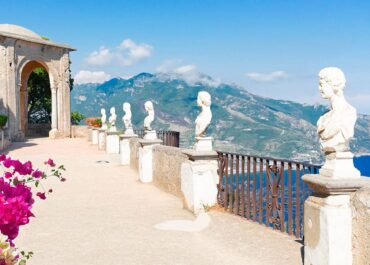
If you’ve chosen to spend a day in Ravello, you’re about to embark on an enchanted journey filled with breathtaking views, rich history, and culture. Ravello, the jewel of the Amalfi Coast, promises moments that will etch in your memory forever, and this guide is your trusted companion.

Ready to explore Ravello like a true insider? Discover the best tours of Ravello and dive into an authentic and unforgettable experience. Don’t wait, book now!

What is Ravello famous for?

Ravello, fondly called the City of Music, boasts an enviable cultural and historical legacy. One of the prominent reasons for Ravello’s global fame lies in its stunning villas: Villa Cimbrone and Villa Rufolo. These aren’t just architectural marvels; they are also nestled amidst luxuriant gardens that provide sweeping views of the entire Amalfi Coast.

But that’s not all! The magnificent Oscar Niemeyer Auditorium stands out as a contemporary architectural masterpiece, paying homage to the incredible natural backdrop that surrounds it. For the true aficionados of music, Ravello flaunts a pulsating cultural atmosphere with events like the Ravello Festival and the Ravello Concert Society. Both ensure world-class performances set in a truly unparalleled ambiance.

How many hours do you need in Ravello?

If you want to explore villas, shop, and wander around the quaint city center, you’ll require 2 to 3 hours in Ravello. However, if you aim for a comprehensive Amalfi Coast tour in a day, you might want to pair Ravello with Amalfi and Positano. If you’re up for an offbeat experience, Ravello can be twinned with Tramonti, a town perched higher in the mountains. Veiled by vineyards, Tramonti offers a vibe distinct from the coastal towns yet is equally enchanting. A personal tip? We ventured to Ravello in the morning and Tenuta San Francesco, a vineyard close to Tramonti, in the afternoon. The experience remains etched in our memories. Meandering through the vineyard, gazing at grapes dangling from the vines, sipping on exquisite wines, and relishing a home-cooked meal—this was quickly among our top Amalfi Coast moments.

Ancient Pompeii’s culinary delights: beyond the Proto-Pizza

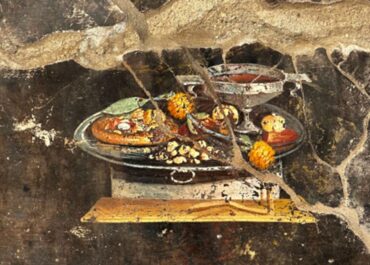
When Pompeii archaeologists unveiled a nearly two-millennium-old fresco resembling what’s now being dubbed a “proto-pizza” last June, it sent shockwaves across the globe. Though it boasted potential toppings like meats, fruits, or veggies, the iconic tomato—a staple in today’s pizzas—was noticeably absent.

This deliciously juicy fruit didn’t grace European soils until the 16th century, centuries after the catastrophic eruption of Mount Vesuvius in 79 A.D., which annihilated the Roman cities of Pompeii and Herculaneum. The pizza we relish today? That’s a Neapolitan masterpiece from the 18th century.

But if Pompeii didn’t pioneer pizza, what culinary delights did its inhabitants indulge in? From umami-packed condiments, lasagna’s precursor, to gourmet stuffed dormice, here’s a culinary journey through ancient Pompeii.

Click here to explore the top guided tours of Pompeii and delve deep into its millennia-old history.

A Culinary time capsule: why Pompeii stands out

Pompeii’s archaeological significance cannot be understated. While Mount Vesuvius’ eruption was a force to be reckoned with, Pompeii wasn’t obliterated by lava but enshrouded in a colossal cloud of searing gas and ash. This phenomenon, as elucidated by Alessandro Russo of the Pompeii Archaeological Park, instantly carbonized and safeguarded a plethora of organic materials, including food.

The swift, unforeseen demise of Pompeii’s citizens has granted archaeologists an unfiltered peek into mundane activities like culinary preparations. The discovery of an impeccably conserved loaf of bread from Herculaneum in 1930—etched with markings for easy separation—is testament to this. According to Russo, such findings make Pompeii an unparalleled archaeological marvel.

Umami: Pompeii’s savory obsession

Perhaps Pompeii’s most cherished ingredient was a precursor to the universally adored umami flavor: garum. A tantalizing fish sauce or seasoning, garum was Pompeii’s answer to contemporary ketchup. Though its flavor profile is more akin to Southeast Asian fish sauces, its omnipresence in Pompeiian cuisine is undeniable.

Distinguished for its caliber, Pompeii’s garum was a fermented concoction of specific fish, like the sea bream, blended with salt and occasional spices over months. As the fish disintegrated, the residue was the coveted garum.

Benedict Lowe, from the University of North Alabama, who was associated with the Pompeii Food and Drink Project, shares that this sauce’s intense aroma remains intact even today.

Pompeii’s gourmet legacy

Carbonized remnants and medieval translations of ancient recipes have unveiled Pompeii’s gastronomic treasures. Chiara Comegna, an archaeobotanist, speaks of a lasagna precursor with meat, ricotta, and pasta layers.

The affluent in Pompeii reveled in exotic dishes like stuffed dormice—a hefty version of modern mice. This delicacy, as per the famed cookbook by Apicius, was infused with pork, pine nuts, pepper, and fish sauce.

While literary records allude to the elite feasting on flamingoes, Lowe recommends approaching such claims with skepticism.

Reenacting the age-old recipes in 2005, researchers even reintroduced fruits and vegetables endemic to Pompeii, including figs, olives, grapes, and plums.

Tastes of the time

Although a majority of Pompeiian food was rather bland, the wealthy indulged in exotic spices, sourced from distant lands like India. In fact, the Romans’ prodigious expenditure on spices even led the Indians to adopt Roman currency for a brief period.

Comegna adds an interesting tidbit: Pompeiians added fava beans to their wine, modifying its hue and flavor.

Dining the Pompeiian way

Pompeii’s thermopolia stalls were the precursor to modern-day fast food. Nearly 80 such outlets dotted the city, catering to the everyday worker. These stalls dispensed an array of edibles—snails, ducks, pigs, goats, and fish—all served in embedded containers.

Evidence suggests that the Pompeiians primarily relied on finger foods, apt for their practice of reclining on dining couches while eating. And while breakfast was virtually non-existent, opulent dinner feasts, especially among the elite, were the norm. In essence, the culinary tapestry of ancient Pompeii is a testament to its vibrant culture, illustrating that there’s so much more to it than just a “proto-pizza.”

The Remarkable Fullonica of Stephanus

In our previous escapade through Pompeii here, we delved deep into the city’s heart, touching its very soul. Yet, Pompeii still holds secrets waiting to be unraveled. One such gem is “The Fullonica of Stephanus.”

The Fullonica’s grand unveiling

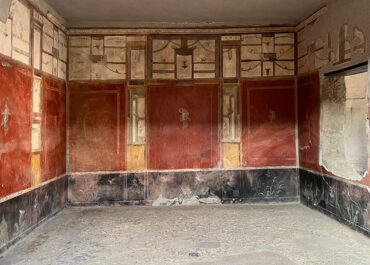
Unearthed between 1912 and 1914, along the bustling Via dell’Abbondanza, the Fullonica of Stephanus stands as a stellar testament to Roman architectural and functional prowess. Not just any laundry, it’s among the most complete and elaborate laundries excavated in Pompeii.

Witnessing history through its structure

Step inside, and intricate masonry basins crafted specifically for rinsing greet you. Their design ensured an unending flow of water, vital for the operations. Alongside, stone basins dominate; they were once used for meticulous washing, often accompanied by specialized clays or urine. On ascending to the upper floor, terraces lay sprawled, where fabrics once danced in the breeze, drying and awaiting further treatment.

But what truly sets this fullonica apart? The pièce de résistance – the torcular. A press didn’t merely iron fabrics but transformed them into shiny masterpieces. Signs of this ancient pressing machine’s grandeur, the torcular, still linger, with the preserved iron rails of the screw beams and the housings affixed to the wall, telling tales of its once-glorious past.

A Glimpse into the Fullones’ World

In the nearby Fullonica of L. Veranius Hypsaeus, vivid oil illustrations reveal a day in the life of the fullones. Every step is detailed, from washing and rinsing clothes with their feet to drying and brushing them. Intriguingly, some depictions show individuals carrying a cage crowned with an owl – a symbol of Minerva, the labor’s patron goddess – used for sulfur bleaching treatments. The final steps involve showcasing the garments to their rightful owners and preparing for the torcular’s finishing touch, with fabrics poised and ready.

Embark on Your Journey

Pompeii’s stories are endless, and each corner whispers tales of a bygone era. Ready to delve deeper? Find our best tours in Pompeii here and let the ancient city reveal its secrets.

Michelangelo’s Pieta: a breathtaking masterpiece

Michelangelo’s Pieta is one of the most celebrated masterpieces of the Italian Renaissance and one of the most admired works in the world. Created by the artistic genius of Michelangelo Buonarroti, this sculpture inspires wonder and admiration in those who contemplate it because of its extraordinary beauty and profound emotional expression.

Placed in St. Peter’s Basilica in the Vatican, it is a popular destination for tourists worldwide. The curiosities and anecdotes related to this sculpture offer a more intimate and personal look at Michelangelo’s life and art.

Please choose from our best tours in Rome for a private transfer service or a personalized tour that will allow you to discover all the beauty this place offers.

Michelangelo’s Pieta: the work

The Pieta was created by Michelangelo between 1498 and 1499 when the artist was only twenty-four years old. A group of cardinals commissioned it to adorn the chapel of Santa Petronia in the Vatican in honor of French Cardinal Jean de Bilhères. It soon became famous for its artistry and profound expression of sorrow and compassion.

The composition develops pyramidally, giving the impression that the figures stretch toward the sky. Notice the ideal beauty of the faces, typical of the Renaissance age, and the naturalness and softness with which the bodies rest on each other.

The body of the Virgin Mary appears slightly more extensive than that of Jesus to recall the childhood of the late Savior. In contrast, Mary’s face appears very young, which symbolizes the timeless beauty of the woman.

Michelangelo’s Pieta: curiosities and anecdotes

Some fascinating curiosities and anecdotes are associated with Michelangelo’s Pieta. For example, people say that Michelangelo, so proud of his work, hid himself to listen to the viewers’ reactions after completing it.

In addition, the sculpture is unique among Michelangelo’s works because it is the only one in which the artist engraved his signature on the ribbon that the Virgin holds on her robe: “MICHAELANGELVS BONAROTVS FLORENTINVS FACIEBAT,” meaning “The Florentine Michelangelo Buonarroti made it.” It is said that the artist’s choice to make this engraving was due to some visitors who, having come to admire the statue, did not believe it was his work.

In 1972, during the Pentecost celebrations, the statue suffered a severe episode of vandalism: a man armed with a hammer hit the sculpture, causing significant damage to the Virgin Mary’s left arm, nose, and eyelids. Despite careful restoration, the work still shows the scars of its vandalism.

Michelangelo’s Pieta: visiting hours and prices

Michelangelo’s Pieta sits inside St. Peter’s Basilica in the Vatican, in the Chapel of the Pieta. This chapel, to the right of the basilica’s main entrance, offers a place of great spirituality and devotion. The work resides in a side altar, protected by a glass case to preserve it from environmental damage.

It is possible to view the artwork during the opening hours of the basilica. However, because of its status as a masterpiece and the many visitors, you may have to wait in line to enter the Pieta Chapel.

Admission to the basilica is free, but you can purchase a ticket for a guided tour or book a tour to avoid long waits. Prices may vary depending on the type of visit and any inclusions, such as access to the dome or the Crypt of the Popes.

You must attend Michelangelo’s Pieta if you love art and spirituality. Plan your visit so you can admire this masterpiece unhurriedly, letting yourself be captivated by the artistry and emotional depth of the work. Rely on our private transfer services in Rome and create with us a personalized tour that takes into account all your needs so that you can enjoy this experience to the fullest.

Adventure Tour – Bourbon Tunnel: a treasure hidden beneath our feet

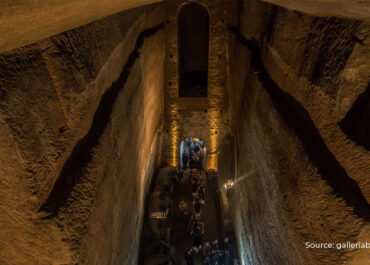
Naples is a city rich in history and culture, and among its many attractions is a treasure hidden beneath the surface: the Galleria Borbonica. This underground tunnel complex, built in the 19th century, is a fascinating journey into the past that reveals the secrets and curiosities of daily life in the Kingdom of the Two Sicilies.

The Galleria Borbonica in Naples is a fascinating place that takes visitors on an exciting journey through the city’s underground history. Its history, curiosities, and myths surrounding it make it a must-see destination for history and adventure enthusiasts.

Please choose from our best tours in Naples for a private transfer service or a customized tour that will immerse you in this unprecedented experience.

Bourbon Gallery: history and curiosities

King Ferdinand II of Bourbon commissioned the Galleria Borbonica in 1853 during the Kingdom of the Two Sicilies. They initially intended this tangle of underground tunnels to connect the Royal Palace with Piazza Vittoria, providing the royal family with a safe, out-of-sight escape route.

However, as the years went by, they used the tunnel for other purposes: more than 10,000 Neapolitans used it as a shelter during the bombings of World War II.

The refugees conducted much of their daily life here, and people have found toys, baby carriages, stretchers, beds, medicines, and personal belongings as evidence.

People confined here by the bombing began to cover the walls of the Gallery with graffiti. These tell stories of hope, fear, and resilience of those who sought refuge in the Bourbon Tunnel during the most challenging times of the war. Today, these signs of the past are poignant reminders of a lived history and are considered a form of art and historical memory.

In the postwar period, these rooms became a municipal court storage facility for everything pulled out of the rubble from the city’s bombing. Until the 1970s, they piled up cars, wasps, and anything recovered from evictions and seizures here.

Bourbon Gallery: the adventure trail

The Bourbon Tunnel offers several ways for tourists eager to explore this intricate underground labyrinth. Participating in guided tours that provide a historical and cultural overview of the Gallery is possible. Local experts will take visitors through the tunnels, telling stories and trivia about this unique place.

The Bourbon Gallery offers adventure lovers an exciting tour called the “Adventure Route.” During this unique tour, visitors can wear protective helmets and headlights to immerse themselves in the underground tunnels’ atmosphere fully. Along the way, they will discover the secrets and mysteries hidden under the city, passing through narrow passages and fascinating spaces.

During the tour, experts will guide participants through the rooms and structures in the tunnel, including warehouses, cellars, stables, an ancient gymnasium, and even an underground church. This “adventure trail” allows visitors to experience history engagingly, creating a direct link to the past and leaving an indelible impression.

The adventure trail also includes a raft experience: it will be possible to continue the journey inside a cistern dating back to the 1400s aboard a raft, where you can admire the exceptional hydraulic workings.

As you walk, you will reach the second cistern, where an aquifer emerges, and as you continue the route, you will get to the end of the archaeological site.

Bourbon Gallery: times and prices

With the “adventure route,” visitors can fully immerse themselves in the past, exploring underground tunnels and discovering the hidden secrets of Naples. The times and days when this experience is possible are as follows: Fridays, Saturdays, Sundays, and holidays; tours start at 10:00 a.m. – 12:00 p.m. – 3:00 p.m. – 5:00 p.m. with a duration of about 1 hour and 25 minutes.

The ticket price is 15.00 Euro for adults, reduced by 10.00 Euro for 10 to 15 years old, with access allowed for 10 years old and up. This tour is possible only from the entrance at 61 Via Morelli, with reservations required.

The Bourbon Gallery represents a unique treasure that enchants and inspires, transporting visitors to a bygone era and making them feel part of a history buried beneath their feet. Visit our Local Tours page and choose the private transfer service or customized tour.

Unraveling the Royal mystique behind the Pizza Margherita

Every corner of the globe has savored the delight of pizza. Born from the humble beginnings of Italy’s flatbread, tomatoes, and cheese, it was the Italian immigrants who carried this culinary gift to America in the early 20th century. The result? An all-American obsession with this Italian delicacy.

However, amidst the myriad of pizza types, one stands with a regal touch. Rewind to 1889, Naples. The city buzzed with excitement as Queen Margherita and her consort wandered its vibrant streets. Lured by an irresistible scent, they stumbled upon a quaint pizzeria.

Captivated, they summoned Raffaele Esposito, the pizzeria’s chef, to the majestic Capodimonte Palace. Eager to impress, Esposito whipped up three distinct pizzas. Yet, one was a showstopper – mirroring Italy’s flag with red tomatoes, white mozzarella, and verdant basil. Queen Margherita’s palate was conquered. In her honor, this tri-colored delight was christened “Pizza Margherita”.

Such an enchanting tale has charmed tourists, food enthusiasts, and historians. It paints a vivid picture: a queen, enchanted by a commoner’s dish, and a pizza embodying nationalistic fervor.

While parts of the tale are rooted in reality, like Esposito owning the aptly named “The Queen of Italy Pizzeria”, certain historical nuances add depth. The late 19th-century saw Italy in turmoil. Naples, freshly freed from its Bourbon ties, was still grappling with the new Kingdom of Italy’s demands. King Umberto I and Queen Margherita, aiming to bridge the divide, saw food as a powerful emblem. Hence, a pizza, drenched in the nation’s hues and graced by a queen’s preference, was more than a mere dish.

Cooking up a myth

But, was this just a culinary coup by the monarchy? Popular narratives suggest so. Yet, recent diggings hint otherwise. Evidences like an 1853 essay describing a similar pizza and discrepancies in the ‘royal letter’ to Esposito, challenge the popular belief.

It seems the plot thickens with Raffaele Esposito Brandi. A mismatched surname hints at the possibility of forgery. Could it be the work of the Brandi siblings, the later proprietors of the pizzeria? They might have woven this tale to boost their trade. After all, narratives of royals relishing street food were aplenty, even predating the alleged Margherita episode.

Today, the pizzeria stands tall as “Pizzeria Brandi”, its walls adorned with a commemorative plaque from 1989. The real tale behind Pizza Margherita might remain shrouded, but its allure is undeniable.

And, if this piece has stirred your appetite for Neapolitan wonders, book a Naples street food tour here and dive deep into its culinary heart.

Unraveling Lasagne: a journey through Italy’s time-honored classic

Peeling back the layers of lasagne, it’s not just about the ingredients or method, but the people savoring it. Lasagne stands as a testament to the ever-changing palette of humanity. Tracing its roots back to Ancient Greece, the laganon – believed to be the original pasta made from flat strips of dough – set the foundation. From there, the Romans crafted their own version, the lagane, which paved the way for today’s lasagne patina. Despite its vague origins involving a sow’s belly and fish, its journey worldwide saw countless transformations.

Today, the Accademia Italiana della Cucina, guardians of Italy’s culinary treasures, celebrates lasagne as a hallmark of Bolognese fare: spinach egg pasta sheets paired with hearty ragu and creamy bechamel. But lasagne’s charm lies in its adaptability. This is underlined by entire cookbooks, like “Lasagna, A Baked Pasta Cookbook” by Anna Hezel and The Editors of Taste, which not only provide myriad versions but also highlight the distinction between ‘lasagna’ (a single pasta sheet) and ‘lasagne’ (the dish layered with many).

Even within its hometown, Emilia-Romagna, you’ll find variations in the beloved Bologna ragu. The nuances in the mix of meats, the choice of fats, and the perfect soffritto of onion, celery, and carrot provide a unique taste. The ragu’s slow simmering – no less than two hours – combined with subtle hints of nutmeg in the bechamel and a lavish sprinkle of Parmigiano-Reggiano, make it unique.

However, not all lasagne dishes are crafted with such devotion. Regrettably, some interpretations, especially in the UK, have strayed far from its authentic taste and texture. Missteps like overcooked pasta and diluted ragu are common, but nothing tops the unusual experiments like chicken tikka lasagne or even a lasagne sandwich.

Yet, when done right, lasagne stands tall with layers perfectly intact, resembling the delicate finesse of a mille-feuille. Its silken texture and heartwarming flavors make it the ultimate comfort dish. It’s a testament to its status that during the 2020 lockdown, lasagne sheets became essential purchases for many.

The art of making lasagne, however, is a labor of love. From homemade pasta sheets to the patience of slow-cooking sauces, it’s a craft. Chef legends like Massimo Bottura pay homage to this art, celebrating elements like the cherished crispy edges in dishes such as “The Crunchy Part of the Lasagne.”

Beyond Bologna, other regions in Italy have added their unique twist, from truffle-infused versions in Le Marche to the musical crunch of Sardinia’s pane carasau version. Lasagne’s versatility embraces seasonal and vegetarian spins, like the pesto-based lasagne Genovese or versions featuring roasted squash and lentils.

Egg-free lasagne sheets further showcase its adaptability. Made primarily in southern Italy, these sheets stand strong, adding to the dish’s iconic shape. And while making them from scratch, possibly infused with greens like nettles, can be a delight, store-bought versions have their place in our busy lives.

Discover the heart of Italian flavors!

Embark on an unforgettable journey through the bustling streets of Naples. Savor authentic street foods, meet local vendors, and soak in the rich history of this vibrant city. Don’t just read about Italy’s culinary wonders – taste them for yourself! Ready for a mouthwatering adventure?

Dive into Naples: A Street Food Odyssey. Secure your spot now and experience the tastes of Naples like never before!

In essence, lasagne is a dish that has woven its story through time and regions. It’s more than just food – a narrative of evolution, love, and tradition. So, here’s to lasagne – may we continue to relish its many forms and flavors. Buon appetito!

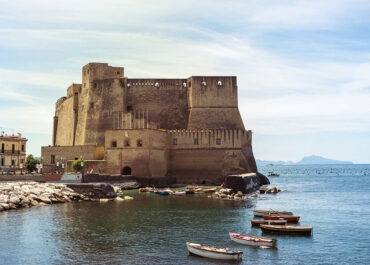
Castel dell’Ovo: between history and Legend

Castel dell’Ovo is certainly one of the most spectacular and symbolic places in Naples: it is on every postcard of Naples along with Vesuvius, which forms its backdrop. The castle stands on the islet of Megaride, more precisely on the rock of Borgo Marinari, which is home to the nautical clubs and is one of the centers of the city’s nightlife. According to Legend, it is precisely here that the siren Partenope landed. Castel dell’Ovo can be visited and is the stage for exhibitions, shows, and events.

Please choose from our best tours in Naples for a private transfer service or a personalized tour that will allow you to discover all the beauty this place offers and explore what surrounds the castle, such as Borgo Marinari, the Bourbon Gallery, and much more.

Castel dell’Ovo: the history

Castel dell’Ovo is a testament to the different dominations passed through Naples. The castle has played various roles in its history.

The castle’s basement houses the so-called stanza delle Colonne (room of columns), evidence of Lucius Licinius Lucullus’s famous villa born on the islet during the Roman Empire. The villa later became a Benedictine monastery with the arrival of monks from Pannonia and a lazaret for pilgrims from the Holy Land.

After serving as a villa and monastery, they started the construction of the castle: around 1128, the Castel dell’Ovo began to assume its present appearance. Under the Norman appellation, they started fortification and extension work on the structure in 1140. 

In addition to depositing the royal treasury there, Frederick II of Swabia added a prison to the castle.

Various reigns, including the Angevin reign, during which the royal family lived in the castle; the Aragonese reign, which developed the military aspect; and the Bourbon reign, which fortified the castle militarily and included a crystal and mirror factory, succeeded at the castle.

With the Kingdom of Italy, the fortress assumed solely the role of a military outpost and prison, housing anti-aircraft during World War II, and then left room purely and exclusively for tourism.

Walking through the rooms of this wonderful castle, you can relive all the historical phases that have characterized the city of Naples.

Castel dell’Ovo: myths and legends

Like every corner of this magnificent city, Castel dell’Ovo shrouds in legends and curiosities.

One of these is precisely related to one of the symbols of Naples: the siren Parthenope. The mermaid Parthenope and her sisters Ligea and Leucosia failed to enchant Ulysses to lure him to the bottom of the sea and committed suicide over denied love.

The deceased Parthenope was transported by the waves of the sea to the islet of Megaride, at the Castel dell’Ovo, where she was transformed right into the Neapolitan landscape: her head rests to the east, on the rise of Capodimonte, her tail to the west, toward the promontory of Posillipo.

The castle’s name also derives from an imaginative legend whose protagonist is Virgil, who composed the Bucolics and part of the Georgics in Naples. 

The famous poet was also a magician: Legend has it that he allegedly hid a magic egg inside a glass jug full of water, locked in a cage hanging from an oak beam in the castle’s basement.

No one has ever found the egg, and its integrity safeguards the castle, the city, and the Neapolitan people. The following spell is on the egg: “QUELL’OVO PENDEVANO TUTTI LI FACTI E LA FORTUNA DIL CASTEL MARINO.”

During the reign of Giovanna I, a sea storm partly destroyed Castel dell’Ovo, and, according to Legend, the escaping prisoner Visconti bumped into the egg, breaking it. The misfortunes came true, and the castle began to collapse, but, to reassure the Neapolitans, the queen confessed to having replaced the egg.

Castel dell’Ovo: the highlights

Walking on the terraces or through the tunnels dug by the prisoners, you can admire the Gulf of Naples in all its splendor from a unique and breathtaking perspective.

We divide the outdoor areas into:

  • Ramaglietto: sea-facing pier that often hosts buffets;
  • Terrazza dei Cannoni: spectacular to visit at sunset, is located at the highest and most panoramic part of the castle;
  • West Loggia: Terrace facing the sea that offers a complete view of the city;
  • East Loggia: space that occupies part of the Church of St. Peter, a sign of the passage of the monks in the Castel dell’Ovo who also created the cells carved into the tuff rock and altars. Among the most beautiful cells is the one dedicated to St. Patrick.
  • People often use these rooms for buffets and photo shoots.

Not all rooms in the inner area are open and accessible to the public. You can visit the following halls:

  • Hall of Columns, so named because of the presence of columns dating back to the villa of Lucius Licinius Lucullus;
  • Queen Joan’s Prison or Hall of Prisons, which holds treasures and secret documents;
  • Sala Italia is one of the largest halls, with a splendid vaulted ceiling;
  • Sala Sirena, carved out of tuff stone;
  • Sala della Compagna, which sits in the highest part of the Castel dell’Ovo;
  • Megaride Hall;
  • Virgil’s Antro, which a suggestive path in the castle can reach.

These rooms are rich in ancient frescoes painted on plaster that are almost illegible. Renting and privately setting up the rooms for ceremonies or events is possible.

Castel dell’Ovo: how to get there

Castel dell’Ovo stands about 4 km from Naples Central Station and can be reached by metro line 1, with a stop at Toledo, or by bus and streetcar from the central station area (line R2 or streetcar 1, respectively).

Pay attention to reaching this wonderful place with a picturesque walk.

Remember to visit our Tours of Naples, where you will find all the necessary directions and have the opportunity to choose our private transfer services or to create the tour that suits you to live this unique experience to the fullest.

Things to Do in Capri: the Ultimate Guide (Map, Photos, Tips)

Are you looking for the ultimate guide to Capri? Look no further! We’ve rounded up 33 epic things to do on this beautiful Italian island. 

First up, take a stroll through the charming isle of Capri. The narrow streets are lined with boutique shops and cafes, perfect for an afternoon of people-watching.

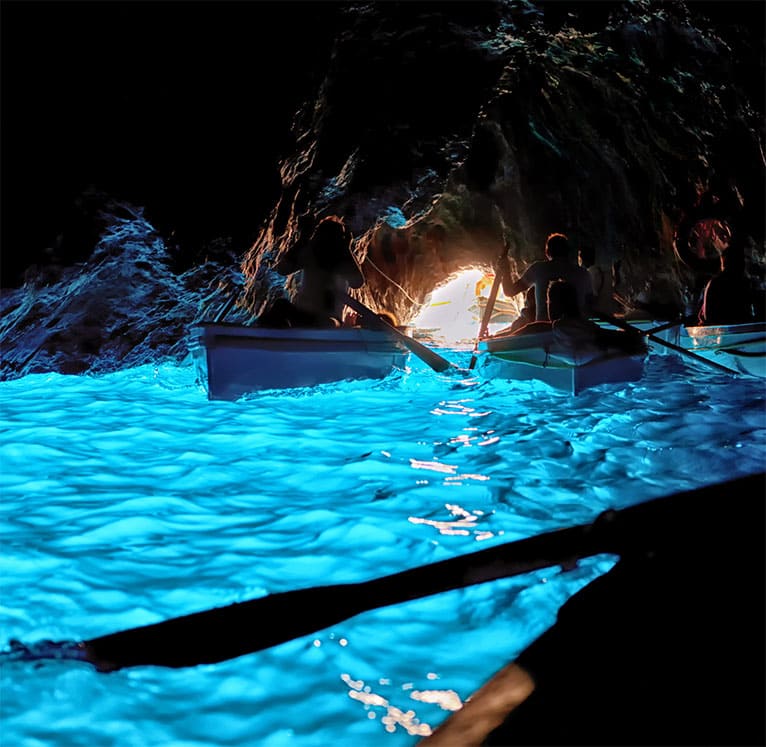
Next, head to the famous Blue Grotto. This stunning sea cave is only accessible by boat and is known for its vibrant blue waters.

For adventure-seekers, hike up Mount Solaro, the highest point on the island. The panoramic views from the top are breathtaking. 

If you’re looking for relaxation, head to Capri’s many beaches. Marina Piccola and Faraglioni are two popular options. 

Capri also has several stunning gardens, including Villa San Michele and Giardini di Augusto. Both offer beautiful views of the island’s landscape. 

Foodies will love exploring Capri’s culinary scene. Be sure to try local specialties like Caprese salad and limoncello liqueur made from locally grown lemons.

Every trip to Capri would be complete with a visit to the iconic Piazzetta Square. This bustling hub is perfect for people-watching and enjoying gelato or espresso at one of the many outdoor cafes. 

Overall, this picturesque island paradise has plenty of things to do. Capri has something for everyone, whether looking for adventure or relaxation.

An Overview of Capri

Capri, oh Capri. This small island off the coast of Italy is a true gem in the Mediterranean Sea. With its crystal clear waters, stunning cliffs, and charming town center, it’s no wonder why Capri is a popular vacation destination.

The island is only about 4 square miles, so exploring on foot or by scooter is easy. One of the must-visit spots is the Blue Grotto, a sea cave that glows with an ethereal blue light. Visitors can take a boat tour to see this natural wonder up close.

Another popular attraction is the Piazzetta, a bustling square filled with outdoor cafes and shops selling local handicrafts. From here, visitors can take a funicular to Anacapri to enjoy breathtaking island views from Mount Solaro.

For those looking for some relaxation, there are plenty of beaches. Marina Piccola is one of the most popular beaches on the island and offers stunning views of the Faraglioni rock formations.

Capri also has a rich history dating back to ancient times. The ruins of Villa Jovis, once home to Emperor Tiberius, are a must-visit site for history buffs.

In terms of food, Capri has an abundance of seafood thanks to its location in the Mediterranean Sea. Visitors should try local specialties, such as spaghetti alle vongole (with clams) or fresh grilled fish.

Capri has something for everyone – from stunning natural beauty to rich history and delicious cuisine. So it’s no wonder why this small island has become such a popular vacation destination.

A Brief Geography Lesson of Capri

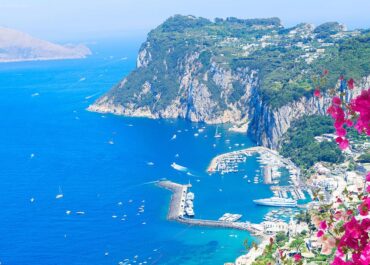
Welcome to the beautiful island of Capri! This small but stunning island sits in the Tyrrhenian Sea, off the coast of Italy’s Campania region. Breathtaking scenery, crystal-clear waters, and charming villages characterize Capri.

The island is 4 miles long and 2 miles wide but boasts a rugged landscape with cliffs and rocky coves. The highest point on Capri is Mount Solaro, which stands at 1,932 feet above sea level. From here, visitors can enjoy panoramic views of the island and the surrounding sea.

One of the most famous attractions on Capri is the Blue Grotto (Grotta Azzurra). This natural sea cave is renowned for its brilliant blue waters, illuminated by sunlight that enters through an underwater opening. Visitors can take a small boat into the cave to see this stunning sight up close.

Several charming towns and villages also call Capri home. The main town on the island, Capri Town (also known as La Piazzetta), fills with designer shops, cafes, and restaurants. Another popular spot, Anacapri, sits high above Capri Town as a miniature village. Here, you can wander through narrow streets with colorful homes and quaint shops.

Plenty of hiking trails on Capri offer stunning views of the island and its surroundings if you’re looking for outdoor adventure. One popular route is the Pizzolungo Trail, which takes visitors along the island’s western coast.

Overall, Capri is a must-see destination for anyone traveling to Italy. It’s stunning natural beauty and charming villages make it a truly unique place to visit. So pack your bags and prepare for an unforgettable experience on this beautiful island!

Best Time to Visit Capri

If you plan to visit the beautiful island of Capri, you might wonder when the best time to go is. Well, it all depends on your preferences and what you want to do on the island.

The peak season in Capri is from June to August, which means more crowds and higher prices. However, this is also when the weather is at its best, with sunny days and warm temperatures perfect for swimming and sunbathing. So, if you’re looking for a lively atmosphere with plenty of events and activities, summer is the best time to visit Capri.

On the other hand, if you prefer a quieter and more affordable vacation, consider going in the shoulder season (April-May or September-October). The weather is still pleasant during these months, but there are fewer tourists and lower prices. Moreover, you can enjoy all Capri offers without feeling overcrowded or rushed.

If you’re interested in hiking and outdoor activities, autumn (October-November) might be the best time. The temperatures are more relaxed, making exploring the island’s scenic trails easier without getting too hot. Plus, you’ll see the beautiful fall foliage in all its glory.

Finally, if you’re on a budget or want to avoid crowds altogether, then winter (December-March) might be your best bet. Although it can get chilly and rainy this time of year, you’ll have the island almost entirely to yourself. Plus, many hotels and restaurants offer discounts during the off-season.

In conclusion, there’s no one-size-fits-all answer regarding the best time to visit Capri. It all depends on your preferences and priorities. Capri has something for everyone, whether looking for a lively summer vacation or a peaceful winter retreat.

How Much Time Do You Need on Capri?

Hey there, fellow travelers! So you’re planning a trip to Capri and wondering how much time you need to experience this beautiful island fully? Well, look no further because I’ve got you covered.

First, talk about what you want to see and do on Capri. One day is enough to quickly stroll through the town center and visit the famous Piazzetta. But if you’re going to explore more of the island and all its attractions, I recommend staying for at least 2-3 days.

One of the must-see attractions on Capri is the Blue Grotto, a stunning sea cave with crystal clear blue water. But first, you’ll need to take a boat tour, which takes about an hour or two, depending on where you depart. And once you arrive, you’ll want to take in the beauty and snap some photos.

Another popular activity on Capri is hiking. The island has several trails that offer breathtaking views of the coastline and surrounding areas. If hiking is your thing, then stay for at least 3-4 days so you have enough time to explore all the trails.

Of course, only a trip to Capri would be complete with indulging in some delicious Italian cuisine. From fresh seafood to homemade pasta, plenty of restaurants and cafes on the island serve mouth-watering dishes. So leave sometime in your itinerary for a leisurely meal or two.

In conclusion, while it’s possible to see some of Capri’s main attractions in just one day, I recommend staying for at least 2-3 days to experience all these beautiful islands fully. Happy travels!

How to Get to Capri

So you’ve decided to visit the beautiful island of Capri! Congratulations, you’re in for a treat. But now comes the question: how do you get there? Don’t worry; we’ve got you covered with all the information you need to make your way to this Italian paradise.

The first step is to get to Naples, which can be done by plane, train, or bus, depending on where you’re coming from. Once in Naples, head to the Molo Beverello port, where ferries regularly depart for Capri. Depending on your preference and budget, you can take a high-speed hydrofoil or a slower ferry.

For an added touch of luxury to your journey, consider opting for a private boat transfer from Naples or Sorrento to Capri. This choice offers stunning coastline views and ensures a stylish arrival.

Another option is to take a helicopter transfer from Naples directly to Capri. While this method of transportation is the fastest and most glamorous way to reach your destination, it does come at a significant cost.

Several transportation options, including buses, taxis, and funiculars, are available once you arrive in Capri. If you’re feeling up for it, plenty of hiking trails will lead you through some of the island’s most beautiful scenery.

No matter how you choose to get there, we guarantee that the stunning beauty of Capri will make it all worth it. So pack your bags and start planning your trip today!

From Sorrento

If you’re visiting Sorrento, take the chance to take a day trip to Capri. This beautiful island is just a short boat ride away and offers stunning views, delicious food, and plenty of things to do.

First things first – how do you get to Capri from Sorrento? You can take a ferry or hydrofoil from the Marina Piccola or Marina Grande. The journey takes around 20-30 minutes, and the views are amazing. Once you arrive, there are plenty of options for exploring the island.

One of the most popular things in Capri is taking a boat tour around the island. First, you’ll see the famous Blue Grotto and other beautiful caves and rock formations. Then, if you’re feeling adventurous, you can swim in the crystal-clear waters.

Plenty of walking trails offer amazing island views if you prefer to stay on land. One popular option is the Pizzolungo trail, which takes you along the coast and through beautiful gardens. Another option is to take a chairlift to Monte Solaro for panoramic views of Capri and beyond.

Of course, only a visit to Capri would be complete with trying some local food. The island is famous for its limoncello, so try some while you’re there. You’ll also find plenty of seafood dishes and traditional Italian favorites like pizza and pasta.

Overall, a day trip to Capri from Sorrento is worth it. Whether you want to relax on a boat tour or explore the island’s many walking trails, there’s something for everyone on this beautiful island.

From Naples

Hey there, fellow travelers! If you’re heading to Naples, you must make a day trip to the stunning island of Capri. Trust me; it’s worth it.

To get to Capri from Naples, take a ferry or hydrofoil from the port of Mergellina or Beverello. The journey takes about an hour, and the views of the Bay of Naples are breathtaking.

Once you arrive in Capri, there are many things to do and see. One of the most popular attractions is the Blue Grotto, a magical sea cave that glows blue from the sunlight reflecting the water. You can take a boat tour to see it up close.

Another must-visit spot is the Gardens of Augustus, which offers stunning panoramic views of the island and its turquoise waters. You can also take a chairlift to Mount Solaro for even better ideas.

Head to the Piazzetta, Capri’s main square, for those looking for shopping and people-watching. It’s filled with designer shops and trendy cafes where you can relax and soak up the atmosphere.

Of course, a trip to Capri would only be complete with trying some of their famous limoncello liqueur. It’s made from locally grown lemons and is deliciously refreshing.

Overall, Capri is a must-visit destination for anyone traveling to Naples. It’s a paradise island with stunning natural beauty and plenty of activities and sights to entertain you all day. So make sure to take advantage of this gem!

From Positano

Hey there, fellow travelers! Are you planning a trip to Capri? Well, let me tell you about a beautiful way to get there – from Positano.

First things first, take a ferry from Positano’s port. It’s a scenic 30-minute ride that will have you in awe of the stunning views of the Amalfi Coast. Make sure to bring your camera!

Once you arrive in Capri, walk around the charming town center and visit the Piazzetta, the island’s heart. Then, grab a bite to eat at one of the local restaurants or cafes and enjoy some people-watching.

Next, take a boat tour around the island and see Capri’s famous grottos, including the Blue Grotto with its bright blue waters. The boat tour is an absolute must-do when in Capri.

If you’re feeling adventurous, hike up to Mount Solaro, the highest point on the island. The views from the top are breathtaking and well worth the effort.

Capri is also known for its luxurious shopping options. So if you want to splurge, head to Via Camerelle or Via Vittorio Emanuele for high-end designer stores.

Finally, end your day by watching the sunset from Punta Tragara. It’s a stunning sight that will leave you speechless.

In conclusion, getting to Capri from Positano is an experience that will set the tone for an unforgettable trip. With its natural beauty and luxurious offerings, Capri is a destination to notice. Happy travels!

By Bus

Hey there, fellow travelers! If you plan a trip to Capri and want to save money while exploring the island, taking a bus is your best bet. Not only is it affordable, but it’s also a great way to mingle with the locals and experience the island like a true Caprese.

First things first, you need to know that there are two types of buses on the island: the orange buses (called “Capri Bus”) and the blue buses (called “Anacapri Bus”). The orange buses run between Marina Grande (the main port) and Capri town, while the blue buses run between Capri town and Anacapri, located on the higher part of the island.

The tickets for both types of buses can be purchased at authorized kiosks or onboard (although buying them in advance is always recommended). A single-ride ticket costs around €2 ($2.30), while a daily ticket (valid for unlimited rides) costs around €8 ($9.20). Remember that cash is preferred, as not all kiosks accept credit cards.

Now, let’s talk about the routes. The orange bus route takes you from Marina Grande to Capri town via a winding road with stunning sea views and cliffs. The journey takes around 15 minutes and drops you off near Piazzetta (the main square), surrounded by shops, restaurants, and cafes.

The blue bus route takes you from Capri town to Anacapri via an even more scenic road that passes through lush gardens and historic villas. The journey takes around 25 minutes and drops you off near Piazza della Pace, where you can admire the breathtaking views from Mount Solaro or visit Villa San Michele (a museum dedicated to the Swedish physician Axel Munthe).

Taking a bus in Capri is a fun and practical way to get around the island while enjoying its natural beauty. So, hop on board and enjoy the ride!

By Taxi

Hey there, if you’re planning a trip to Capri, you’ll want to ensure you know how to get around. One of the most popular ways to get around the island is by taxi.

First, remember that taxis on Capri differ from what you might be used to. The island has a limited number of taxis, which are more expensive than you might find in other parts of Italy. However, they’re also very convenient and can save time and hassle.

To hail a taxi on Capri, look for one of the taxi stands located around the island. You can also ask your hotel or restaurant to call one for you. Remember that finding a taxi immediately available during peak tourist season can take time.

Once you’re in the taxi, communicate clearly with your driver about where you want to go. Some parts of the island can be tricky to navigate, so it’s always best to double-check that your driver knows exactly where you want to go.

If you plan to take a more extended trip around the island or want to see some sights outside of Capri town, consider negotiating a flat rate with your driver instead of relying on the meter. This can help save you money in the long run.

In general, taxis serve as an excellent means of transportation around Capri, especially if you’re in a hurry or need extra time. However, remember that they might cost more than other transportation options on the island.

By Scooter

Are you planning a trip to Capri and wondering how to get around the island? Look no further than a scooter rental!

Exploring Capri by scooter is convenient and allows you to take in this beautiful island’s sights and sounds at your own pace. From the stunning views at Punta Carena lighthouse to the famous Blue Grotto, there’s no shortage of breathtaking scenery.

Renting a scooter on Capri is easy – several rental shops are available on the island. Prices vary depending on the time of year and length of rental but expect to pay around €40-€50 per day. You’ll need a valid driver’s license and passport or ID to rent a scooter.

Once you have your scooter, it’s time to hit the road! One of the most popular routes is the winding road up to Anacapri, where you can enjoy panoramic views of the island. First, stop at Villa San Michele, a beautiful villa-turned-museum Swedish physician Axel Munthe once owned.

Another must-visit spot is Marina Piccola, a picturesque beach with crystal-clear waters. From there, head over to the charming town of Capri and explore its narrow streets and designer shops.

Be sure to also take advantage of your scooter’s agility by exploring some of the island’s hidden gems, such as the secluded beach at Bagni di Tiberio or the tranquil gardens of Augustus.

Overall, renting a scooter is an excellent way to experience all Capri offers. However, remember to drive safely, wear a helmet, and place your camera!

By Boat

To experience the true beauty of Capri, consider exploring by boat. Whether you seek a relaxing day on the water or an adventure-packed excursion, exploring the island’s stunning coastline from the sea offers the best experience.

One of the most popular boat tours in Capri is the tour around the island, which takes you past some of the most iconic landmarks and natural wonders. You’ll see the famous Faraglioni rock formations up close, glide past the Blue Grotto, and witness stunning views of Marina Piccola and Marina Grande.

Private boat tours are also available for those seeking a more intimate experience. These tours can be customized to your preferences and needs, allowing you to create your itinerary and explore hidden coves and beaches inaccessible by land.

If you’re feeling adventurous, try a snorkeling or diving tour. The crystal-clear waters surrounding Capri are home to various marine life, including colorful fish and ancient Roman ruins. With a knowledgeable guide leading the way, you’ll have an unforgettable underwater experience.

No matter which type of boat tour you choose, be sure to wear comfortable clothing and bring sunscreen and plenty of water. And don’t forget your camera – there will be plenty of photo opportunities along the way!

You should notice the experience of exploring Capri by boat. Its stunning coastline, crystal-clear waters, and iconic landmarks make it easy to see why this island has been a favorite among travelers for centuries. So sit back, relax, and let the beauty of Capri unfold before your eyes.

Getting Around Capri

If you’re planning a trip to Capri, one of the most important things you’ll need to know is how to get around. Thankfully, this gorgeous island is relatively small and easy to navigate, with plenty of transportation options.

Taking a boat tour ranks among the most favored methods of exploring Capri. It offers a unique island perspective and allows you to appreciate the breathtaking coastal views. Numerous companies provide boat tours, with options varying from small group tours to private charters. For the more adventurous, there’s the option to rent your boat and discover the island at your leisure.

Another popular option for getting around Capri is taking the funicular up to the town of Capri. This cable car takes you from Marina Grande to the Piazzetta in just a few minutes, offering breathtaking views. Once in town, you can explore on foot or take a taxi or bus to other parts of the island.

If you want something more active, renting a scooter or bike is a great option. This provides the opportunity to discover Capri at your leisure and access areas that might be challenging to reach using other modes of transportation.

 Just be aware that some of the roads on the island can be pretty narrow and winding, so it’s essential to be cautious and wear protective gear.

Finally, suppose you’re staying in one of Capri’s many luxury hotels or villas. In that case, they might offer transportation services, including private shuttles or helicopter transfers from Naples or Rome.

No matter how you choose to get around Capri, there’s no doubt that this beautiful island will leave you breathless at every turn. So sit back, relax, and enjoy all that this stunning destination has to offer!

The Funicular

If you’re planning a trip to Capri, one thing you have to experience is the funicular. This little cable car takes you up to the town of Capri from the Marina Grande, and it’s an experience you will remember.

The funicular offers a quick and easy way to ascend the steep hillside separating the port from the town. It’s a modern cable car system that has operated since 1907 and carries some history. The ride lasts only a few minutes, treating you to breathtaking island views.

Once you arrive in Capri, you’ll find yourself in the heart of the town. There are plenty of restaurants and shops to explore, and if you’re feeling adventurous, you can even hike up to the top of Mount Solaro for even more stunning views.

But before you do anything else, take a moment to appreciate the funicular. It’s a true feat of engineering and an essential part of Capri’s history and culture. So hop on board, sit back, and enjoy the ride!

The Chairlift

So you’re on the beautiful island of Capri, taking in all the sights and soaking up the sun. But have you taken a ride on the chairlift yet? If not, you’re missing out on one of the island’s most breathtaking experiences.

The chairlift takes you to the highest point on Capri, Mount Solaro, providing 360-degree views of the island and beyond. As you ascend higher and higher, you’ll see the sparkling blue waters of the Mediterranean, colorful villas dotting the hillsides, and even glimpses of neighboring islands.

The ride is peaceful and serene, with the only sounds of birds chirping and gentle breezes rustling through the trees. It’s a perfect escape from the hustle and bustle of daily life and a chance to appreciate nature’s beauty truly.

Once you reach the top, there are plenty of opportunities for exploration. For example, stroll along one of the many scenic paths or enjoy a picnic with stunning panoramic views.

So take advantage of this unforgettable experience during your visit to Capri. Instead, hop on that chairlift and let yourself be transported to new heights – figuratively and literally!

Tours of Capri

Yacht Charter and The Ganesh schooner Amalfi Coast is a wish come true. Choose it for your exclusive excursions and your special events. As children, we all dreamed of venturing out to discover the treasures of the sea, and who knows how many times we asked ourselves: what is the land like seen from the sea? The Mediterranean is a sea full of beauty, and we will take you to discover its rare pearls, which makes it even more exclusive and exciting to explore.

During your tour of Capri, you will have the opportunity to see some of the most stunning sights in the world. For instance, the Blue Grotto is a natural sea cave where the water glows a bright blue due to sunlight reflecting off the limestone walls. It’s a must-visit destination during your yacht tour of Capri.

Another popular spot on the island is the Faraglioni Rocks. These towering rock formations are a sight from both land and sea. You can get up close and personal with them by taking a boat ride around them or even diving into the crystal-clear waters beneath them.

If you’re interested in history, you must visit Villa Jovis. Emperor Tiberius built this ancient Roman palace over 2,000 years ago, offering stunning views of the island and surrounding sea.

Capri also has several charming villages that are worth exploring. Anacapri is a village known for its quaint streets, traditional architecture, and artisanal shops selling locally made products.

In conclusion, Capri is a breathtakingly beautiful destination that should be on everyone’s bucket list. And what better way to experience it than on an exclusive yacht tour? Book your trip today with Yacht Charter and The Ganesh schooner Amalfi Coast and make your dream of discovering the sea’s treasures come true!

0