Discover Roman Capri in 3D – A Journey Through Ancient Villas

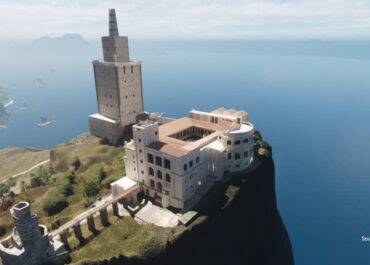
On Saturday, September 20, 2025, at 6:30 PM, the Centro Caprense Ignazio Cerio will host a fascinating event titled “Capri Romana: Nuove Ricostruzioni in 3D”. Thanks to cutting-edge technology and expert archaeological research, the ancient Roman villas of Capri—including Villa Jovis, Palazzo a Mare, Gradola, and Damecuta—will be brought back to life through stunning digital models.

Want to experience the beauty of Capri in person?

Join an unforgettable walking tour of Capri with See Amalfi Coast Private Tours. Discover the island’s iconic landmarks, breathtaking views, and ancient history with an expert local guide. It’s the perfect way to see Capri—past and present—come alive.

Rebuilding the Past with 3D Visualization

Leading the presentation will be Dr. Luca Di Franco, the newly appointed Director of Museums and Archaeological Parks of Capri. Drawing on the work of 3D graphics specialist Ciro Albanese, Di Franco will offer a detailed, scientifically grounded analysis of how these imperial villas looked in their original grandeur during the reigns of Emperors Augustus and Tiberius.

This innovative project combines digital modeling with archaeological data to offer an incredibly accurate vision of the ancient structures that once dotted Capri’s landscape. For history lovers, architecture enthusiasts, and curious travelers alike, it’s a rare opportunity to see ancient Capri as it might have looked over 2,000 years ago.

Event Details

  • Title: Capri Romana: Nuove Ricostruzioni in 3D
  • Date & Time: Saturday, September 20, 2025 – 6:30 PM
  • Location: Piazzetta Cerio, 5 – Capri
  • Admission: Free
  • Hosted by: Centro Caprense Ignazio Cerio
  • With the patronage of: The Municipalities of Capri and Anacapri

The event will be introduced by Professor Annamaria Palombi, Vice President of the Centro Cerio, along with Capri’s Mayor Dr. Paolo Falco.

A New Perspective on Capri’s Imperial Past

Few places capture the imagination like Capri—a timeless island where Roman emperors once built lavish retreats among cliffs and sea breezes. This new digital project helps modern audiences rediscover the island’s imperial past with vivid detail and immersive storytelling.

Whether you’re planning to attend the event or inspired by the rich history of the island, Capri’s Roman legacy is something you don’t want to miss.

Book your private walking tour of Capri today and walk the same paths once taken by emperors—now enhanced with the stories, myths, and marvels of ancient Rome.
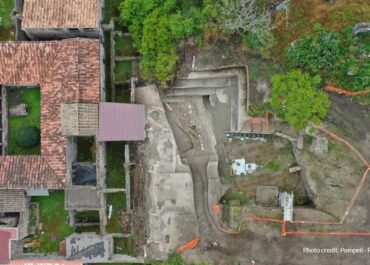

Ancient Bench Found Outside the Villa of the Mysteries

In a stunning new archaeological discovery, researchers have unearthed an ancient waiting bench just outside the entrance to the Villa of the Mysteries in Pompeii. This seemingly humble structure adds a powerful new layer to our understanding of everyday life in ancient Rome, revealing a place where clients, workers, and travelers once waited—perhaps impatiently—for an audience with the villa’s elite residents.

Ready to explore the Villa of the Mysteries?

Make your visit easy and immersive by booking a private transfer to Pompeii or joining a guided tour of Pompeii with See Amalfi Coast Private Tours. Discover hidden stories, world-famous frescoes, and expert local insight with comfort and convenience.

More Than Art Lovers: Who Was Really Waiting at the Villa?

While today’s visitors might queue outside Pompeii’s most famous homes to admire their frescoes, two thousand years ago, people waited here for very different reasons. Recent excavations revealed a bench made of cocciopesto (a durable Roman mortar), situated along the public road outside the Villa’s monumental entrance.

According to site director Gabriel Zuchtriegel, these were not art enthusiasts waiting for a tour—but rather clients, laborers, and petitioners hoping to gain favor or assistance from the villa’s wealthy owner. In Roman society, this kind of morning visit—called a salutatio—was a key ritual, especially for those who relied on elite patrons for legal support, employment, or financial help.

Graffiti on the Wall: The Bored Voices of the Past

Waiting was often long and uncertain. Some hopeful visitors may have never even been granted entry. During these idle hours, someone took a piece of charcoal or a sharp tool and scratched graffiti into the walls beside the bench—markings that include a partial date and a name. These are the faint, human echoes of Pompeii’s forgotten classes, who sat beneath the grandeur but rarely stepped inside it.

Archaeology Behind the Scenes

This discovery was made possible thanks to a joint operation between the Pompeii Archaeological Park and the Public Prosecutor’s Office of Torre Annunziata. The excavation resumed after the demolition of an illegally built structure over the site, including a restaurant and a house that once obstructed the area.

According to Prosecutor Nunzio Fragliasso, the operation reflects an important collaboration between cultural protection and legal enforcement. The cleared space now allows visitors to fully enjoy and study one of Pompeii’s most iconic landmarks.

New Insights from the Excavation

In addition to the bench, archaeologists uncovered the original monumental entrance to the villa, partially preserved with lava stone paving and protective stone barriers. A vaulted rectangular cistern was also found, connected to an ancient water management system.

Inside the villa, newly exposed rooms show refined Third Style wall paintings in deep black and yellow tones with intricate decorative motifs. Excavations also revealed parts of the servant quarters, still partially buried, offering a glimpse into the lives of those who lived and worked behind the scenes.

The Eruption Layer: History Sealed in Ash

The dig preserved an exemplary stratigraphic sequence of the 79 AD eruption of Mount Vesuvius, including ash fall and pyroclastic flow layers. Beneath the pumice deposits, a section of Roman agricultural soil—arranged in the characteristic “a conchette” pattern—was also discovered, showing how land management was organized before the disaster.

Looking Ahead: What’s Next for the Villa of the Mysteries

The ongoing excavation will focus on the still-buried servant areas of the villa, expanding knowledge of its social dynamics and layout. As more rooms and features come to light, Pompeii continues to surprise scholars and visitors alike—reminding us that even a simple bench can tell extraordinary stories of class, power, and human waiting.

Book your tour of Pompeii today and see for yourself how archaeology brings history to life—bench by bench, fresco by fresco.

Evenings at Pompeii – Night Tours and Theater

From September 5 to October 4, the Pompeii Archaeological Park transforms into a stage of light, history, and art with the special program “POMPEII. VOX FEMINAE – The Secret Words of Women”. Every Friday and Saturday evening, visitors can enjoy extended access to the ruins, theatrical performances, and unique exhibitions celebrating the lives and stories of ancient women in Pompeii and the surrounding sites.

Don’t Miss the Magic of Pompeii by Night

Traveling to Pompeii has never been easier or more comfortable. Whether you’re in Naples, the Amalfi Coast, or anywhere nearby, you can book a luxury private transfer or a guided tour of Pompeii with See Amalfi Coast Private Tours. Skip the stress and experience the site with expert local guides who bring history to life.

Evening Experiences Across the Greater Pompeii Sites

From 8:00 PM to 11:00 PM (last entry at 10:00 PM), guests can stroll through the ruins under the stars. Highlights include:

  • Access to iconic sites like the Villa of the Mysteries, Praedia of Julia Felix, House of the Venus in the Shell, and the Large Palaestra, which hosts the exhibition “Being a Woman in Ancient Pompeii”.
  • Shuttle service available to Boscoreale to visit Villa Regina and the Antiquarium.
  • Theater performances at the Odeion (Small Theater), focusing on historical and mythological female figures from ancient times.

“VOX FEMINAE”: The Female Voices of Ancient Pompeii

Through theater, narration, and live music, audiences will hear the voices of women like Arianna, Giulia Felice, Eumachia, Poppea, and others who left their mark on Pompeian history. These events are part of a larger cultural initiative supported by the Italian Ministry of Culture and produced by Casa del Contemporaneo in collaboration with Le Nuvole Teatro.

Each performance is preceded by a brief guided visit and includes limited seating. Tickets cost just €7 and can be booked online through ticketone.it.

Where and When

Evening events take place across several archaeological sites including:

  • Pompeii: Piazza Anfiteatro, Piazza Esedra, Villa dei Misteri
  • Stabia: Villa Arianna, Villa San Marco, and the Quisisana Palace Museum
  • Oplontis: Villa of Poppea
  • Boscoreale: Villa Regina and Antiquarium

Performances begin at 8:30 PM and end by 10:00 PM, with each show lasting approximately 30 minutes. Some sites offer additional performances at 5:30 PM for daytime visitors.

Special Entry for European Heritage Days

On September 27, all evening admissions across the sites—including performances—will be available for just €1 to celebrate European Heritage Days. Don’t miss this rare opportunity to explore Pompeii after hours at a symbolic price.

Tickets and Access

Tickets can be purchased in advance online or at the physical ticket offices in Pompeii (Piazza Anfiteatro and Piazza Esedra). Credit and contactless payments are available. For Villa dei Misteri, no parking is available, so visitors are advised to use the Pompeii Artebus shuttle or park along Via Plinio.

Useful Info for Visitors

  • Each itinerary costs €7 + €1 pre-sale if booked online.
  • Free admission is available on select dates and sites for the evening walks (Stabia Villas).
  • The exhibition “Being a Woman in Ancient Pompeii” at the Large Palaestra runs until January 31, 2026.
  • Time from Piazza Anfiteatro to Odeion: 15 minutes walking
  • Time from Esedra to Villa dei Misteri: shuttle recommended (check pompeiisites.org for schedule)

Discover Pompeii Like Never Before

Whether you’re passionate about history, theater, or simply want to experience something unique under the stars, the Pompeii night events offer something truly special. Make your journey easy and unforgettable with See Amalfi Coast Private Tours.

Book your transfer or join a private tour to make the most of your Pompeii experience—day or night.

Tour to the Catacombs: Underground wonders

Step beneath the surface of the Eternal City and explore the haunting beauty of its ancient underground. This Catacombs tour offers a rare glimpse into the hidden layers of Rome’s early Christian history, with expertly guided access to sacred burial grounds and mysterious tunnels carved beneath the city.

Discover Rome’s underground secrets

Far from the crowded tourist spots, this Rome underground tour takes you into a quieter, more spiritual side of the city. Led by a private guide in Rome, you’ll uncover frescoes, crypts, and symbols that tell stories of faith, persecution, and resilience. It’s a must for history lovers and curious explorers alike.

Why visit the Catacombs?

  • Walk through miles of tunnels carved centuries ago
  • Learn about early Christian communities and burial rituals
  • Visit sacred chapels filled with historic symbolism
  • Enjoy a private, personalized experience away from the crowds

A complete tour of Rome in One Day

If you’re short on time but want to experience it all, consider A 1-day Rome tour. Pair your Catacombs experience with visits to iconic landmarks like the Colosseum, Vatican Museums, and the Trevi Fountain.

Book Your private Catacombs Tour today

Whether you’re fascinated by ancient architecture or intrigued by religious history, this Catacombs tour in Rome offers a unique and unforgettable journey underground. Your expert guide will tailor the experience to your interests, ensuring a comfortable and informative visit.

Book your tour of Rome’s Catacombs now with See Amalfi Coast Private Tours by Vito and discover the city’s most hidden wonders.

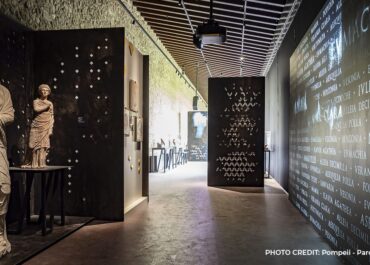
Being a Woman in Ancient Pompeii – Exhibition 2025

What did it mean to be a woman in ancient times? This thought-provoking question lies at the heart of the upcoming exhibition “Being a Woman in Ancient Pompeii”, held at the Palestra Grande within the Pompeii Archaeological Park from April 16, 2025, to January 31, 2026. Through a curated display of daily life, societal roles, and cultural expressions, this immersive event explores how women of different classes and backgrounds lived, worked, and shaped Pompeian society.

Planning a visit to Pompeii? Make the most of your trip with a private transfer from Naples and join our expert-led guided tours to Pompeii. Travel comfortably and dive deeper into ancient history with a professional guide!

A unique window into the Female Experience

Unlike many ancient cities, Pompeii offers a remarkably preserved look into everyday life, making it a rare and valuable source for understanding the roles and realities of women in the Roman world. Thanks to the exceptional state of preservation and centuries of excavations, this exhibition presents not just the lives of elite women, but also those of freedwomen, slaves, and working-class individuals.

The Exhibition concept

Curated by Francesca Ghedini and Monica Salvadori, in collaboration with the Universities of Padua, Salerno, and Verona, the exhibit is divided into eight thematic sections. Visitors will journey through the phases of life from birth to death as they explore how different women contributed to the social, economic, and religious life of Pompeii.

What You’ll See

  • Private and funerary portraits that reveal identity and status
  • Wall paintings, inscriptions, and everyday objects
  • Graffiti reflecting women’s presence in the public sphere
  • Tools used in trades like weaving, baking, medicine, and even magic

Women across classes and roles

The exhibition sheds light on matronae (married women of high status), libertae (freedwomen), and slaves. It highlights how some women held significant power managing businesses, hosting banquets, and funding temples, while others toiled in humble or even exploitative roles.

Whether it was a midwife tending to births, a spinner producing textiles, or a vendor at the local market, the diversity of female occupations is illustrated with authentic artifacts, making their stories feel alive and relevant even today.

A Continuation of “The Other Pompeii”

This exhibition follows in the footsteps of the acclaimed “L’altra Pompei” (“The Other Pompeii”) exhibit, expanding its focus to explore female identities and experiences specifically. It’s not just about the elite, it’s about real people, in real homes, with authentic voices echoing through history.

Useful Information

Location: Palestra Grande, Pompeii Archaeological Park

Dates: April 16, 2025 – January 31, 2026

Curators: Francesca Ghedini, Monica Salvadori

In collaboration with: University of Padua, University of Salerno, University of Verona

Don’t Miss This Exhibition – Plan Your Visit Today

Whether you’re a history lover, a student of gender studies, or simply curious about daily life in Ancient Rome, “Being a Woman in Ancient Pompeii” is an unmissable exhibition that brings the voices of the past vividly to life.
For a seamless experience, avoid the stress of public transport by booking a private transfer from Naples. And if you want to explore Pompeii, Naples, or the Amalfi Coast in depth, don’t forget to check out our exclusive Campania guide tours.

Spiaggia Grande: The Amalfi Coast’s Most Iconic Beach

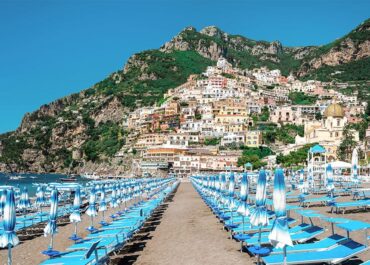
No trip to the Amalfi Coast is complete without a stop at Spiaggia Grande, Positano’s signature beach and one of the most expansive along the coast. Surrounded by pastel-colored cliffs and sparkling turquoise water, this iconic destination is a dream for first-time visitors and seasoned travelers alike.

If you’re planning a visit to Southern Italy, Spiaggia Grande offers the perfect blend of natural beauty, creature comforts, and vibrant coastal energy. With See Amalfi Coast Private Tours, reaching this iconic beach has never been easier—or more relaxing.

Ready to discover the Amalfi Coast’s most beloved beach stress-free? Book your tour here: See Amalfi Coast Private Tours

What Makes Spiaggia Grande So Special?

Located in the heart of Positano, Spiaggia Grande (literally “Big Beach”) is a wide, lively shoreline that offers stunning views of the cliffside town. From its sun-soaked loungers to charming beachside cafes, everything here is designed for comfort and enjoyment.

Whether you’re looking to sip a cocktail under a beach umbrella, enjoy a seaside lunch, or just dip your toes into the warm Mediterranean Sea, Spiaggia Grande delivers an authentic Amalfi experience.

Facilities That Make a Difference:

  • Paid sunbeds and umbrellas for a premium, relaxed experience
  • A public area where you can bring your towel and enjoy the beach for free
  • Restaurants and beach bars for casual dining and refreshments
  • Access to boat rides and ferry connections to nearby islands and villages

When to Visit and What to Expect

Like most popular sites on the Amalfi Coast, Spiaggia Grande attracts a large number of visitors, especially during the summer. Arriving early is key if you want a good spot or prefer the public beach area. For a stress-free and scenic journey, avoid the hassle of public transport or driving—traffic restrictions and limited parking can make local travel a challenge.

Instead, enjoy a comfortable, air-conditioned ride along the coast with See Amalfi Coast Private Tours, where every detail—from pick-up to drop-off—is taken care of. Our guides offer local insight and flexible itineraries to make your beach day unforgettable.

Beach Day + More: Make the Most of Your Amalfi Visit

Spiaggia Grande is just one part of a full-day coastal adventure. With See Amalfi Coast Private Tours, you can:

  • Combine your beach day with a visit to Pompeii, Ravello, or Amalfi
  • Customize your itinerary with cultural, culinary, or scenic stops
  • Travel in comfort with expert drivers and knowledgeable local guides

Why Choose See Amalfi Coast Private Tours?

Our tours are designed for travelers who want to explore the Amalfi Coast without stress. From curated experiences to comfortable transfers and personalized service, we take care of the logistics so you can focus on enjoying the beauty around you.

Book Your Spiaggia Grande Adventure Today

Don’t let logistics stand between you and a perfect beach day. Let See Amalfi Coast Private Tours guide you to Spiaggia Grande and beyond with effortless service, comfort, and local expertise.

Click here to book your private tour and make your Amalfi Coast dreams a reality.

Why a Private Transfer to Pompeii or the Amalfi Coast beats the Circumvesuviana every time

Italy is one of the most beautiful countries in the world—but let’s be honest: not all public transportation lives up to that reputation. If you’re planning to visit Pompeii or the Amalfi Coast from Naples, you’ve probably heard about the Circumvesuviana train. And while it may seem like an authentic experience, most American travelers quickly realize it’s one to avoid.

Choose Comfort and reliability: Book Your Private Transfer

Why gamble with delays and overcrowded trains?
Book a private transfer to Pompeii, Amalfi, Positano, or Ravello and travel in air-conditioned comfort with an English-speaking driver who knows the area.

The Harsh reality of the Circumvesuviana

The Circumvesuviana is a local commuter train connecting Naples to Pompeii, Herculaneum, and Sorrento. In theory, it sounds ideal. In reality? Not so much.

  • Severe overcrowding – It often feels like stepping into a livestock cart, especially during peak hours. No air conditioning, no reserved seats, just chaos.
  • Lack of comfort – No space for luggage, standing room only, and sweltering heat in the summer months.
  • Unreliable service – Frequent delays, cancellations, and outdated infrastructure mean you could easily lose hours of your travel day.
  • Pickpocket risks – This line is infamous for petty theft targeting distracted tourists.
  • No assistance – If you don’t speak Italian and run into a problem, you’re often on your own.

And while Italy’s charm is undeniable, even locals will admit: some public services just don’t match the beauty of the country.

Private Transfers: The smart Traveler’s Choice

Here’s why more and more travelers from the US are choosing private drivers and transfers when visiting key destinations like Pompeii and the Amalfi Coast:

  • Punctual and reliable – Your driver picks you up at your hotel or accommodation at the exact time you choose.
  • Air-conditioned vehicles – Modern, spacious cars ensure total comfort even on hot summer days.
  • English-speaking drivers – Communicate easily and ask questions about the area, the culture, or the best places to eat.
  • Room for luggage – Travel with suitcases, backpacks, strollers—no problem.
  • Flexible schedules – Want to stop for a photo, a coffee, or a scenic viewpoint? You can.
  • Door-to-door service – No navigating stations, changing trains, or hauling bags down old staircases.

Travel Stress-Free and See More

Time is precious—especially on vacation. Choosing a private transfer means less time worrying and more time enjoying the incredible sights of Campania.

Whether you’re headed to:

  • Pompeii for a walk through ancient Roman ruins
  • Positano or Amalfi for sea views and lemon-scented breezes
  • Naples for authentic pizza and vibrant street life

…a private transfer ensures you arrive relaxed, safe, and ready to explore.

Final Verdict: Don’t Let bad Transit ruin a beautiful Trip

Italy is breathtaking—but don’t let outdated public transport like the Circumvesuviana drag down your travel experience. When comfort, safety, and time matter, a private transfer is absolutely worth it.

Book your private transfer today with See Amalfi Coast Private Tours and discover the difference a professional service makes.

Discover the Royal Nativity Scene in the elliptical room of the Royal Palace of Caserta

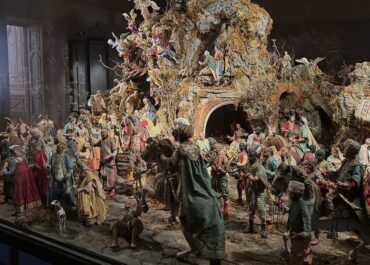
Nestled within the breathtaking Royal Palace of Caserta, the Elliptical Room holds one of the most captivating artistic gems of the 18th and 19th centuries: the Royal Nativity Scene. Unique in its kind, this Nativity Scene is the only one commissioned by a royal family, making it a priceless testament to Neapolitan craftsmanship, religious devotion, and royal tradition.

Looking for guided tours or transfers to the Royal Palace of Caserta? Explore custom travel experiences here: See Amalfi Coast Private Tours

The Elliptical Room: From Theater to Sacred Display

Originally used as a domestic theatre, the Elliptical Room was transformed each year by the Bourbon kings into a stage for a stunning Nativity installation. The room’s elegant architectural features provided the perfect setting for what would become a highly anticipated annual tradition.


The Royal Nativity Scene: Art, Devotion, and Cultural Heritage

Commissioned and curated by the Bourbon monarchs, the Royal Nativity Scene was not just a religious display—it was a showcase of Neapolitan nativity art.

With contributions from painters, architects, and set designers, the scene featured:

  • Figurines with terracotta heads, hands, and feet crafted by master artists like Giuseppe Sanmartino and Francesco Celebrano.
  • Wire and tow bodies give the characters lifelike poses.
  • A cork-made base known as the scoglio replicates the canonical scenes of the nativity with extreme detail.

Every figure and backdrop was the result of a collaborative process among some of the most renowned artists of the time.

The 1844 Nativity Scene: A Historical Masterpiece Recreated

The current layout of the Royal Nativity Scene draws inspiration from the last documented display in 1844, faithfully reproduced in four gouaches by painter Salvatore Fergola—these rare works are now exhibited alongside the scene, offering visitors both a visual and emotional connection to the Bourbon court’s Christmas tradition.

A Symbol of Royal Patronage and Neapolitan Identity

This extraordinary collection reflects the deep connection between the Bourbon dynasty and Neapolitan cultural identity. The Royal Nativity Scene is more than a religious tableau—it’s a storybook in miniature, preserving the fashions, beliefs, and social customs of a bygone kingdom.

Visiting the Royal Nativity Scene Today

Located inside the Elliptical Room of the Royal Palace of Caserta, the Nativity Scene is open to visitors year-round and becomes especially evocative during the holiday season. Its artistic and historical value make it a must-see for:

  • Art lovers and historians
  • Families looking for meaningful cultural experiences
  • Travelers fascinated by Italian royal history

Plan Your Visit. Don’t miss the chance to witness this unique heritage of faith, art, and royalty. The Royal Nativity Scene is a living tradition that continues to enchant generations.

Discover Naples’ The Museum of Typography: A forgotten Church brought back to life

After seventy years of neglect, the historic Church of Santa Maria della Vittoria and Santissima Trinità all’Anticaglia has reopened its doors in Naples—this time as a unique museum dedicated to the art of printing. Thanks to the vision of local printer Carmine Cervone and the community’s strong support, this abandoned gem has found new life as a cultural hub celebrating Naples’ printing heritage.

Explore Naples in Style: Private Tours and Transfers

Planning a trip to Naples? Make the most of your visit!
Discover our private Naples tours and convenient transfers, whether you’re arriving, departing, or exploring the city’s hidden treasures like this newly opened museum.

A Revival Rooted in Community Passion

Dating back to the 15th century, the Church of Santa Maria della Vittoria and Santissima Trinità had stood silent for decades. In 2021, master printer Carmine Cervone, continuing his family’s legacy, secured permission from the Archdiocese of Naples to restore the building. With the help of dedicated volunteers, local students, and architect Pasquale Raffa—who designed the restoration plan free of charge—the church was carefully brought back to life, preserving its original architectural charm and ensuring it could safely welcome visitors again.

Tipografia Museo

Community Support and Crowdfunding Success

Reviving such an important historical space was no small feat. Cervone launched a crowdfunding campaign to fund the restoration, raising around €20,000 through more than 300 donations. The project also received vital backing from Naples’ iconic Pio Monte della Misericordia, which contributed another €20,000, and the Department of Architecture at Federico II University supported the safety and preservation plans.
As Cervone proudly shared, “I’m deeply grateful to Pio Monte della Misericordia, the Department of Architecture at Federico II, and the many friends who backed this dream through crowdfunding.”

A Living Museum of Printing Traditions

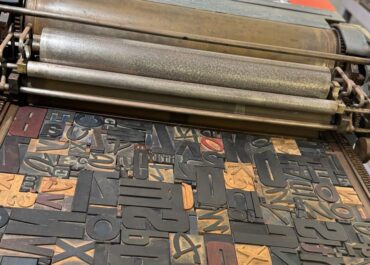
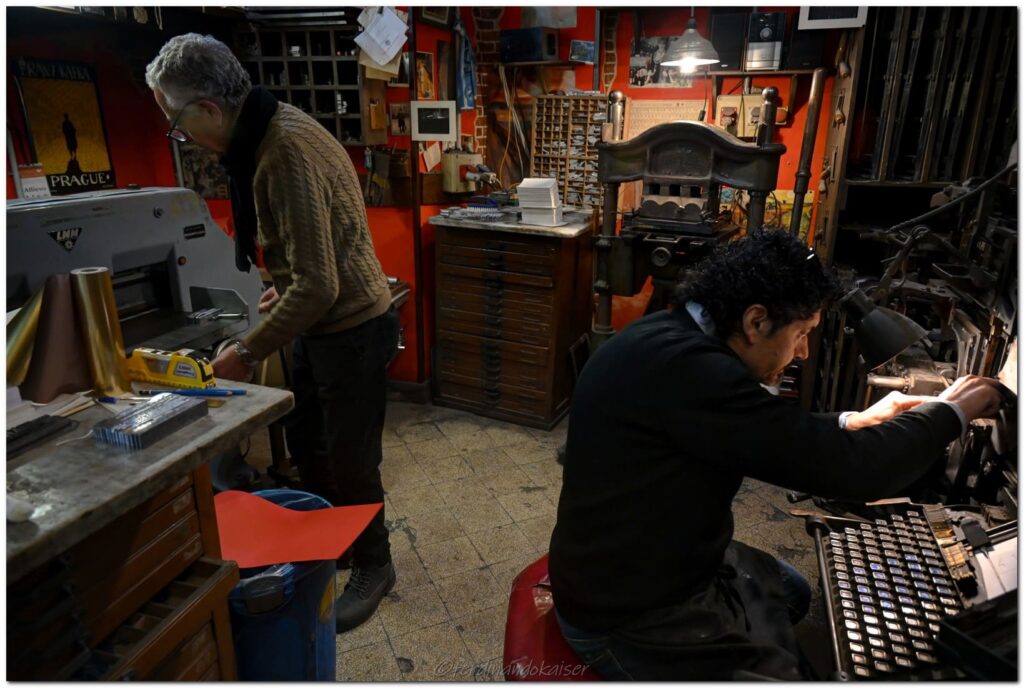
Today, visitors to the Tipografia Museo can admire a remarkable collection of historic printing presses, including three fully functional 19th-century machines. These will be used for live demonstrations of traditional printing techniques, offering an authentic glimpse into the craft’s timeless appeal.
The church’s central nave showcases these machines, while the former sacristy—once used as a carpentry shop—now hosts hands-on typography workshops. True to his passion, Cervone also runs what he affectionately calls the world’s most miniature printing museum, tucked away at Via Anticaglia 12, covering just two square meters!

Experience Naples’ Creative Soul

This new museum is more than an exhibition—it’s a living testament to Naples’ cultural resilience and community spirit. Whether you’re a history lover, a design enthusiast, or simply curious about Naples’ hidden treasures, the Tipografia Museo is a must-see addition to your itinerary.
Ready to uncover more of Naples’ secrets? Book your private tour or transfer today!

Discover ancient flavors at the European Archaeology days in Herculaneum (June 13–15, 2025)

From June 13 to 15, 2025, the Herculaneum Archaeological Park invites visitors to travel back in time through a flavorful cultural journey. In celebration of the European Archaeology Days, the Park—together with CoopCulture—presents a series of educational and interactive activities focused on ancient food culture, inspired by the temporary exhibition “Dall’uovo alle mele” (From Eggs to Apples), hosted at the elegant Villa Campolieto.

This immersive program is an opportunity to explore the culinary traditions of ancient Herculaneum, connect with local heritage, and experience archaeology in a fun, inclusive way for all ages.

Want to explore more of Herculaneum with a local expert? Discover all guided experiences available here: See Amalfi Coast Private Tours

Highlights of the Program
June 13, 2025
11:00 AM – Villa Campolieto
“The Perfect Plate” – Educational Lab
Become an ancient nutritionist! Families and kids can build a balanced Roman-style meal inspired by archaeological discoveries.
Duration: 2 hours | Max 25 people | Free with exhibition ticket | Booking required on CoopCulture.

4:30 PM – Villa Campolieto & Herculaneum Park
“Cibus” – Lesson on Site
An engaging guided walk exploring ancient dining customs with real artifacts and original Roman spaces.
⏱ Duration: 2.5 hours | Max 25 people | Free with site ticket | Reservation on CoopCulture.

June 14, 2025
11:00 AM & 4:30 PM – Herculaneum Park
“Cibus for All” – Inclusive Experience
A specially designed activity for visitors with cognitive and sensory disabilities, co-created with local associations.
Duration: 2.5 hours | Free with entrance ticket | Reservation required.

June 15, 2025
11:00 AM – Villa Campolieto
“…and the Garum… where is it?!” – Mystery Game Lab
A playful investigation into Rome’s favorite condiment! Kids will follow clues to uncover ancient recipes and flavors.
Duration: 90 min | Max 25 participants | Free with exhibition ticket | Booking required.

4:30 PM – Villa Campolieto & Herculaneum Park
“Cibus” – In Situ Lesson (Encore)
Duration: 2.5 hours | Max 25 people | Free with park ticket | Reservation on CoopCulture.

A Message from the Park’s Director
“Archaeology is not only about digging up the past—it’s about understanding ourselves,” says Francesco Sirano, acting director of the Archaeological Park of Herculaneum.
“Through this year’s theme—food—we create a bridge between ancient life and today’s culture. It’s a chance to rediscover identity, health, and tradition through a shared human experience: eating together.”

Plan Your Visit
Location: Herculaneum Archaeological Park & Villa Campolieto

When: June 13–15, 2025

Language: Activities will be conducted in Italian. Some may include English summaries.

Accessibility: Inclusive events available for individuals with disabilities

Tickets: All activities are free with standard entrance to the park or exhibition

Booking: Required via CoopCulture’s official website

This year’s European Archaeology Days in Herculaneum offer a chance to discover the ancient world through taste, stories, and hands-on exploration. Whether you’re a family with kids, a history lover, or simply curious about Roman food culture, this is your invitation to step into the past—and bring the experience home with you.

0