Discover the Wonders of Naples’ Underground City: Adventure awaits below

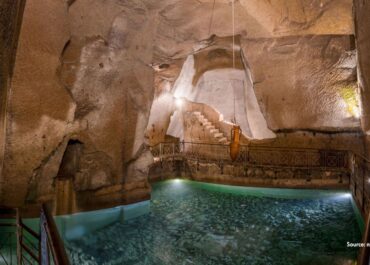
Beneath Naples’ bustling streets and picturesque landscapes lies a city veiled in mystery and steeped in history: Naples Underground, or Napoli Sotterranea. A labyrinthine network of tunnels, caves, and ancient ruins that dates back 2400 years presents a fascinating counterpoint to the sun-soaked piazzas above. With every step you take in this mysterious subterranean realm, you’re treading the footprints of history, journeying through time from the Greeks and Romans to the horrors of World War II. In this article, we invite you to embark on an extraordinary adventure that will uncover the secrets lying dormant in the belly of this mesmerizing Italian city.

Tours and Tickets to Naples Underground

Embracing the adventure that awaits you in the labyrinth below Naples begins with choosing your ticket. Tours of Naples Underground offer a variety of experiences that cater to every type of traveler. Whether you’re an ardent history buff, a thrill-seeking explorer, or a family looking for an educational adventure, there’s a tour perfectly tailored for you. Comprehensive guided tours unlock a treasure trove of wonders, regaling you with captivating narratives about the underground city while ensuring a safe exploration of the winding tunnels and cavernous chambers.

Purchasing tickets is a breeze with user-friendly online platforms offering secure transactions and instant confirmations. Prices are highly affordable, offering exceptional value for an experience that promises to be as enlightening as it is exhilarating. In addition, numerous combo tickets incorporate other must-see Naples attractions, providing a seamless experience that encapsulates what this vibrant city offers.

Explore the History and Secrets of the Neapolitan Subterranean

The Naples Underground silently witnesses the city’s turbulent history, holding countless secrets within its age-old walls. As you wander through the chilly, echo-filled chambers, you’ll discover remnants of ancient Greek aqueducts, Roman theatres, and wartime shelters. Each relic, each crevice, tells a story of resilience and ingenuity, showcasing the timeless spirit of Neapolitan society.

The darkness of the tunnels is not a place of fear but a canvas for the city’s past. The layers of history are illuminated by the flicker of a guide’s torch, revealing a theatre where Emperor Nero once walked, catacombs that whisper tales of early Christianity, and hidden passages used by resistance fighters during World War II. As you traverse the labyrinth, you’re not just a visitor; you become an integral part of Naples’ ongoing narrative.

Unique and Unforgettable Underground Experiences

A unique blend of experiences that can’t be replicated elsewhere, find a platform in Naples Underground. One moment, you’re navigating dark, narrow passageways; the next, you’re standing in a vast cavern that once served as a Roman cistern. The stark contrast and unexpected discoveries make for an experience as exciting as it is educational.

There are few places in the world where you can touch the carved stone of an ancient aqueduct, then moments later stand in a cavernous World War II air-raid shelter with its graffiti still intact. Such encounters make your journey through Naples Underground more than just a tour; it becomes an emotional voyage that stirs the imagination and stays with you long after you’ve returned to the city’s sunny streets.

Tips for Planning Your Underground Adventure

Before you venture into Naples Underground, a few practical tips can make your experience smoother and more enjoyable. First, comfortable, non-slip footwear is a must, given the uneven terrain and occasional damp areas. A light jacket or sweater can be beneficial, too, as temperatures underground are considerably more relaxed than at street level.

When booking your tour, don’t hesitate to ask about the difficulty level, especially if you’re traveling with children or have mobility concerns. However, most times are accessible and accommodate various fitness levels. Lastly, remember to bring your sense of adventure and curiosity. The stories that unfold beneath the streets of Naples are waiting for you to discover them, and there’s no better guide than an open mind.

Conclusion: Your Journey to Naples Underground

Venturing into the underground labyrinth of Naples is an adventure that promises an immersive dive into the city’s intricate past. This exploration unfurls the tapestry of its captivating history. So whether you’re already in Italy or planning a future visit, your journey to Naples Underground starts here.

Organizing your travel to Naples has always been challenging. However, from wherever you are in Italy, you can book a private transfer that will smoothly deliver you to the city, ready to embark on your subterranean adventure.

Once you arrive, the local experts at See Amalfi Coast Private Tours are at your service to guide your exploration of Naples Underground. Their extensive knowledge and passion for the city’s history make them the perfect companions for this unique journey. Their tours guide you safely through the labyrinth below and breathe life into the ancient walls with stories and insights that will make your trip memorable.

So why wait? Adventure beckons beneath the vibrant streets of Naples. Uncover the secrets of the underground city and experience a part of Naples that few get to see.

Embark on a journey through time: Pompeii unveiled

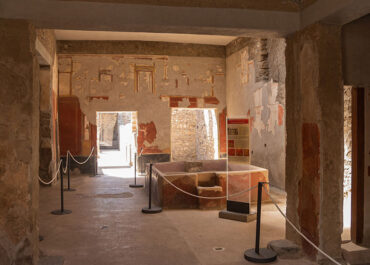
Venture into the past with a visit to Pompeii, the city that time forgot. Here, the Roman Empire’s grandeur lives on, perfectly preserved under layers of volcanic ash. As a destination, Pompeii offers a rich feast of history, culture, and architectural marvels that will enchant every traveler.

Delve into the Ruins of Pompeii

As you pass through Pompeii’s time-worn gates, an antiquity orchestra immediately plunges you into a chord of awe. Start your exploration with a visit to the Antiquarium, a repository of artifacts that whisper tales of ancient Roman life, from everyday objects to intricate mosaics.

The Forum, Pompeii’s central square, beckons next. As you stand during its once-buzzing heart, visualize the thrum of political debates, religious rituals, and trade negotiations that occurred centuries ago.

Equally fascinating is the Amphitheatre, among the oldest standing Roman amphitheaters in the world. Its stone edifice resounds with ancient cheers and clashes of gladiatorial combats.

Experience Pompeii in 2 Hours

Time may be limited, but your experience in Pompeii needs to be improved. So start your adventure at the bustling Via dell’Abbondanza, the city’s main thoroughfare. As you amble past shops and residences, pay attention to the murals and inscriptions that adorn their walls.

Next on your itinerary should be the House of the Vettii. Step inside the Villa of the Mysteries in Pompeii to marvel at the intricate frescoes that vividly relieve tales of Roman mythology and life. This brief yet insightful journey provides a striking window into the ancient spiritual and cultural practices, revealing a captivating historical narrative through the villa’s stunning and enigmatic artistry.

When to Embark on Your Pompeii Adventure

Pompeii promises a unique spectacle regardless of the season, but its charm shines brightest during spring (April-June) and fall (September-October). These periods offer idyllic weather and fewer crowds, allowing you to appreciate the city’s grandeur at your own pace.

Winter, too, can be a perfect time to visit if you prefer solitude and don’t mind a bit of chill.

Dive deeper into Italy’s historical treasures with our curated Pompeii tours at See Amalfi Coast Private Tours. We design our tours to provide immersive experiences, taking you beyond the well-trodden path and into the heart of Italy’s rich cultural tapestry.

3 Days in Florence with Family: an unforgettable Italian adventure

Florence, the captivating jewel of Tuscany, Italy, brimming with art, culture, and history, is an unforgettable destination for the entire family. As your eyes feast on the Renaissance artistry and your taste buds experience the renowned Florentine cuisine, you’ll find the city a haven of discovery and joy for kids and adults alike. So, gather your loved ones, pack your suitcases, and prepare for an exciting, 3-day adventure in Florence that will make lifelong memories.

Day 1: The Heart of Renaissance Art and History

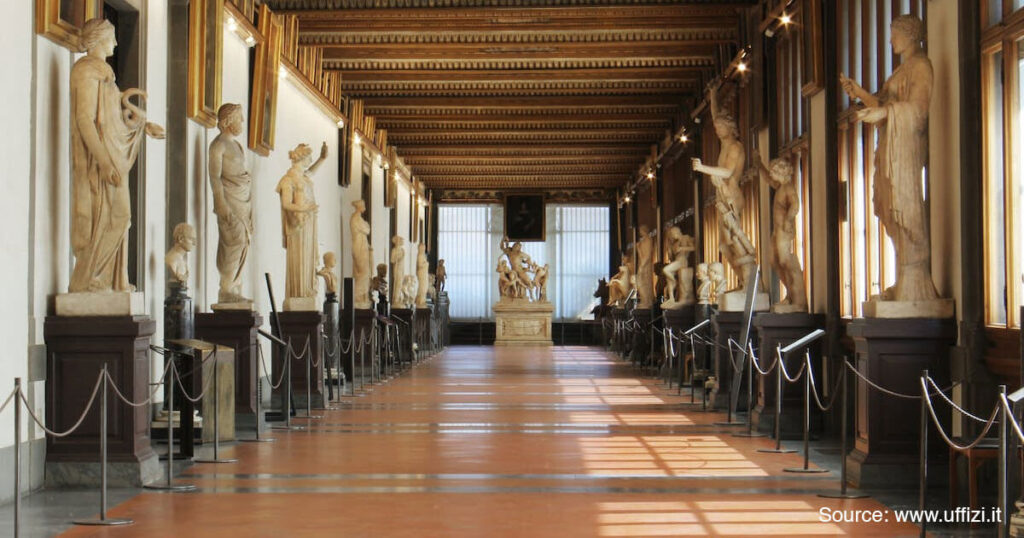
Uffizi Gallery
Uffizi Gallery

Begin your family vacation by stepping into the heart of the Renaissance – The Uffizi Gallery. This iconic museum is a treasure trove of masterpieces from world-famous artists like Leonardo da Vinci, Michelangelo, and Botticelli. Remember to bring a sketchbook for the kids – the art will inspire their creativity.

Post-lunch, shift gears from art to history and head to Palazzo Vecchio. This fortress-like palace offers a fascinating journey through the past. Its ‘Secret Paths’ tour is a hit among kids as it explores the hidden passages of the palace. Cap off the day by crossing the Arno River via Ponte Vecchio and enjoy gelato from one of the many artisanal gelaterias nearby.

Day 2: The Allure of Science and Breathtaking Views

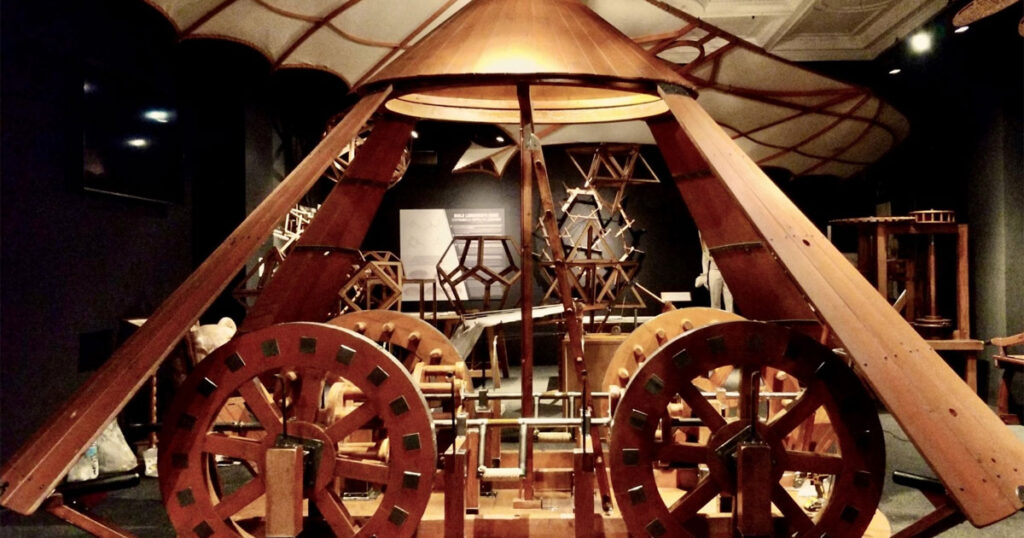
Day two will take your family from the corridors of art to the fascinating realms of science. Start your day at the Museum of Leonardo da Vinci. The museum features interactive models of da Vinci’s inventions – a fun, hands-on learning experience for the young.

In the afternoon, head to Piazzale Michelangelo for a family picnic with a view. This panoramic terrace offers a breathtaking view of the Florence skyline. Finish your day with a visit to the famous Boboli Gardens, a historic park filled with beautiful sculptures, fountains, and plenty of space for kids to play and explore.

Day 3: The Charm of Local Culture and Cuisine

For the third day, dive into Florence’s vibrant local culture. Start at the bustling Central Market, where your family can learn about and taste authentic Italian foods. Then, explore the charming streets of Oltrarno, known for its artisan workshops.

Later, go to the Piazza della Signoria, the city’s vibrant main square. Here, you can enjoy the street performances, visit the open-air sculpture exhibit, and even treat the kids to a horse-drawn carriage ride. Finally, end your day with a family dinner at a local trattoria, tasting the region’s famous dishes like Bistecca alla Fiorentina.

The Best Private Tours in Florence

While you can explore Florence independently, nothing beats the convenience, insider knowledge, and personalized private tour experience. We tailor our Florence tours at See Amalfi Coast Private Tours with families in mind.

Our tour ensures you get the most out of your visit without the stress of planning. Instead, we take care of all the details while you and your family focus on creating beautiful memories. Our guides, experts in engaging visitors of all ages, will bring the city’s history and culture to life in a way that captivates everyone. So, why wait? Take the hassle out of your trip, and let us show you the magic of Florence!

Uffizi Gallery: between History, Events, Prices, and how to get there

Immerse yourself in the world of art and history at the Uffizi Gallery, a premier art museum in the heart of Florence, Italy. This treasure trove of artistic masterpieces houses an extensive collection of works from renowned artists like Botticelli, Leonardo da Vinci, and Michelangelo. Our in-depth guide will provide essential information on Uffizi’s history, events, prices, and how to get there, ensuring you make the most of your visit to this iconic cultural institution.

Uffizi Gallery Artworks

The Uffizi Gallery is home to an astounding array of artworks spanning various periods and artistic styles. Some of the most famous and significant pieces in the collection include:

  • “The Birth of Venus” by Sandro Botticelli
  • “Primavera” by Sandro Botticelli
  • “Annunciation” by Leonardo da Vinci
  • “Doni Tondo” by Michelangelo
  • “The Adoration of the Magi” by Gentile da Fabriano

Apart from these well-known masterpieces, the gallery also showcases numerous lesser-known gems. As you wander through the Uffizi’s halls, you’ll encounter works from the Gothic period, the Renaissance, and the Baroque era, among others. Many of these pieces offer unique insights into their creators’ lives, artistic practices, and their time’s historical and cultural context.

Uffizi Gallery Tours

Guided tours offer an excellent way to understand better Uffizi’s collection and the stories behind the art. Various tour options are available, from small-group tours led by knowledgeable art historians to private tours customized to suit your specific interests. Additionally, several thematic times focus on particular aspects of the museum’s collection, such as the works of female artists or the influence of ancient art on the Renaissance.

For those interested in a tailored experience, we offer private tours through our website at https://seeamalficoastprivatetours.com/best-florence-tour/. Our expert guides can provide an unforgettable and personalized exploration of the Uffizi Gallery, ensuring your visit is truly memorable.

For those who prefer a more self-guided experience, audio guides are available for rent at the museum. These devices provide detailed information about the artworks and allow you to explore the museum at your own pace. Regardless of your preferred tour style, engaging with the art on a deeper level will undoubtedly enhance your visit to the Uffizi Gallery.

Uffizi Gallery Tickets

Purchasing your Uffizi Gallery tickets in advance is highly recommended to secure your spot and avoid long wait times. You can buy tickets online through the official Uffizi website or from authorized resellers. Standard admission prices for adults range from €12 to €20, depending on the time of year and whether temporary exhibitions are included in your ticket. Reduced rates are available for EU citizens aged 18-25, while children under 18 and individuals with disabilities can enter free of charge.

Another option worth considering is the Firenze Card, which provides access to over 70 museums and attractions in Florence, including the Uffizi Gallery, for a fixed price. This card is valid for 72 hours and allows you to bypass the lines at many popular sites, making it a convenient and cost-effective choice for those planning to explore multiple attractions in the city.

Villa Poppaea: A Timeless Treasure from Ancient Oplontis

Nestled within ancient Oplontis lies a grand residential villa, a historical gem still being unearthed to this day. Dating back to the mid-1st century BC, this exquisite villa witnessed expansion during the early Imperial Age. Once boasting a breathtaking panoramic sea view, the villa’s stunning décor remains remarkably preserved. Inscriptions on an amphora suggest the villa may have belonged to Poppaea Sabina, Emperor Nero’s second wife, or her family, as one inscription mentions Sucundus, a slave or freedman of Poppaea’s.

Unfortunately, at the time of Mount Vesuvius’ eruption, the villa was likely primarily vacant due to ongoing repairs following seismic damage, which removed many architectural and decorative elements.

The villa’s impressive layout revolves around perspective axes, symmetries, and scenic backdrops featuring lush gardens adorned with sculptures and fountains. The villa’s oldest section encircles the Tuscan atrium, showcasing magnificent Second Style paintings and lavishly adorned rooms for relaxation, dining, and living, all illuminated by windows overlooking the sea-facing garden. The villa also featured private thermal baths, initially heated from the kitchen and eventually converted into a living room.

The Frescoes of Villa Poppaea

The Villa Poppaea’s frescoes, remarkably preserved due to Mount Vesuvius’ eruption, captivate visitors with their unique form and vibrant colors. Many frescoes embody the ancient Roman “Second Style” (or Architectural Style) of painting, dating from around 90-25 BC as classified by August Mau in 1899. These intricate designs simulate architectural features like trompe-l’œil windows, doors, and painted columns.

In the caldarium, frescoes depicting Hercules in the Garden of the Hesperides embody the “Third Style” (or Ornate Style) dating from around 25 BC-40 AD, as per Mau. A realistic perspective is abandoned for flat, elongated architectural forms that encase a central, often mythological, scene like a shrine.

Positioned west of the triclinium, a spacious oecus served as the Roman house’s primary living area. Adorned with Second Style frescoes, the east wall features exceptional details, including a theater mask and a peacock.

Significant attention has been devoted to the Villa Poppaea frescoes’ allusions to stage painting (scene frons), particularly in Room 23. The eastern slave quarters encompass a peristyle with storage rooms and bedrooms for servants and enslaved people facing a central fountain.

From the peristyle’s southwest corner, an underground tunnel ran beneath the 16th-century Sarno Canal, leading up to a cryptoporticus overlooking the sea. Recent excavations have uncovered the collapsed remains of this cryptoporticus.

In the mid-1st century AD, the villa expanded eastward, adding an enormous 61×17 meter swimming pool. This area also featured dining rooms, living rooms, guest apartments, and charming winter gardens embellished with exquisite paintings. Paleobotanical studies facilitated the reconstruction of the original garden plants: box hedges, oleanders, lemons, plane trees, olive trees, cypresses, roses, and climbing ivy, which flourished in harmony with the villa’s sculptural and architectural decorations.

Ready to experience the grandeur of Villa Poppaea for yourself? Click the button below to book your tour and explore this historical gem with a certified guide in Italy.

Embark on an adventure through time and immerse yourself in the beauty and culture of ancient Oplontis. Then, take advantage of this unforgettable experience!

Few Positano Questions you need to know before your trip

What airport is closest to Positano, Italy?

The closest airport to Positano is Naples International Airport, about 1 hour away.
Contact us to request a quote for a Transfer.

How far is Positano from Amalfi?

Positano is about a 30/35 drive from Amalfi. Contact us for a free quote for booking a Transfer that will let you discover all the wonders of these places.

How long is the drive from Rome to Positano?

Rome is 3 1/2 hours from Positano. You can reach it by car or get to Naples by a fast train (about 1 hour) and from Naples Central Station, head to Positano, only about 1 hour away. Contact us for a Transfer, whether it is from Rome or Naples.

The Veiled Christ in Naples: history and curiosity

The Veiled Christ of Naples is one of the most renowned sculptures in the world. The statue, which depicts Jesus shrouded in a long veil, was created by the Neapolitan sculptor Giuseppe Sanmartino in 1753. Since then, it has become a symbol of faith, devotion, and hope to many who visit the church of Sansevero Chapel Museum in Naples, Italy.

The history of the Veiled Christ begins with the noble family of Sansevero, and their patronage of the arts from the 16th century to the present day. The first patron was Raimondo di Sangro, Prince of Sansevero, who commissioned many works in his lifetime, including the Veiled Christ. The statue was made with marble dust and glue and took two years to complete. Nevertheless, its sheer beauty and grace are unrivaled by any other work of art.

Legend says that after Raimondo’s death, a mysterious figure appeared at Sansevero Chapel and placed a veil over the sculpture. Since then, it has been known as the Veiled Christ or Cristo Velato. This story is said to have inspired both religious believers and non-believers alike, who have made pilgrimages to Naples to see this extraordinary piece of art.

The Veiled Christ is open daily from 9am-7pm with extended hours during summer months (May-September). There is no admission fee, but donations are welcomed to help maintain these historical monuments. 

Visitors should also be aware that there is a strict dress code when visiting this sacred place – shorts and sleeveless shirts are not allowed inside the chapel. Additionally, visitors should be respectful and maintain a calm voice out of respect for those praying or meditating in front of the statue. 

Apart from its artistic beauty, some interesting facts about this sculpture fascinate visitors worldwide – such as its incredible weight (almost three tons) or its great detail (made without using any tools). 

The Veiled Christ continues to draw visitors from around the world looking for a spiritual experience or simply admiring its beauty; it’s definitely worth a visit if you’re ever in Naples!

Who carved the Veiled Christ?

The Veiled Christ is a marble sculpture created by the Italian artist Giuseppe Sanmartino in 1753. It is a life-size statue of Jesus Christ in his burial shroud. The figure is said to be so realistic that it appears like the veil is draped over an actual body.

The work was commissioned by the Spanish Viceroy of Naples, Fernando Ruiz de Castro, for the chapel of Sansevero in Naples. It has become one of the most renowned sculptures from the Neapolitan Baroque period. It remains on display in the chapel today. 

Giuseppe Sanmartino was born into a family of stonemasons and sculptors in 1720. He trained under some of the most influential sculptors in Italy, such as Francesco Solimena and Ferdinando Fuga. In addition to creating other sculptures, he also worked on restoration projects throughout his lifetime. 

Sanmartino’s Veiled Christ is widely considered to be his masterpiece. He used a single block of Carrara marble to create this lifelike figure covered with a seamless veil that gives the impression that it was draped over an actual body. The sculpture was completed after three years of hard work and is still considered one of the most masterful examples of marble sculpture from the eighteenth century. 

The Veiled Christ has been praised for its realism and attention to detail. It is believed that Sanmartino used a live model for reference during the creation process, which may explain why this piece appears so lifelike even today. 

Many art historians have studied Sanmartino’s work. They have praised his ability to capture emotion and realism through his sculptures. His Veiled Christ continues to captivate viewers worldwide, making it one of his most iconic works and an example of Neapolitan Baroque art at its finest.

What is the Veiled Christ made of?

The Veiled Christ is a marble sculpture created by Italian sculptor Giuseppe Sanmartino in 1753. It is widely regarded as one of the most beautiful and perfect sculptures. The piece is made of a single block of Carrara marble quarried in Tuscany, Italy.

The figure of Christ is shrouded in a white veil that covers his entire body except for his face. His facial features are highly expressive and convey an intense emotion of suffering. The blanket has been carefully draped to create an impression of movement and grace characteristic of the Rococo period in which it was made.

The sculpture stands almost five feet tall and weighs approximately 1,700 pounds. Its body is slightly curved, with the arms outstretched and the head tilted somewhat towards heaven. The drapery adds to the sense of movement and grace by creating a sweeping curve around the figure’s body and cascading down to its feet.

The Veiled Christ is a masterpiece not only for its technical virtuosity but also for its emotional power. Its beauty lies in its subtlety and delicate play between light and shadow on the marble surface. Sanmartino’s skillful use of light, shade, and texture creates an illusion of depth and gives life to what would otherwise be merely a block of stone.

10 Things to do in Rome, the Eternal city

10 things to do in Rome, in the heart of the Eternal City. If you want to discover Rome, the capital of Italy, and you don’t wish to or have time to organize a visit to at least ten of the most beautiful places, don’t worry. We will point them out and show you. Then you calmly go there and, if you like, tell us how it went.
But remember, if you are ready to know the 10 things to do in Rome, the Eternal City is also a great cosmopolitan city. His is an enviable artistic, architectural and cultural history. The one that has influenced the whole world and dates back almost 3000 years. Are you ready? And then, follow us!

  1. 1. Vatican Museums and Sistine Chapel Get ready for an exciting journey into the heart of the history of art and religion. We recommend starting with a visit to the Greek Cross Room, where you can admire the splendidly carved sarcophagi that preserve the remains of queens and kings of antiquity. You can reach the Cabinet of Masks and the Room of the Animals. The cartographers depicted the world over the centuries preserved in the Upper Galleries and only left with seeing the Renaissance masterpieces in the Raphael Rooms and the Borgia Apartment. Ultimately, it keeps Michelangelo’s Sistine Chapel, the Vatican’s wonder, and humanity’s artistic heritage.
  2. 2. Colosseum, Roman Forum, and Palatine Hill Can you visit Rome without seeing the remains of some of the most glorious monuments of the Roman Republic? Certainly not. Therefore we will now introduce you to the secrets of the Colosseum, the Roman Forum, and the Palatine Hill. The Colosseum was started under Emperor Vespasian in 72 AD. and completed by his son Titus in 80 AD. It is the largest amphitheater ever built, on four levels, with an ellipse-shaped arena. It could accommodate over 70,000 spectators. Palatine Hill and Roman Forum are located in the place where, according to tradition, Rome was born. From here, you can admire the ruins of the temples in the Via Dei Fori Imperiali, which was the center of the city’s political, social, and economic life during the Republican Rome.
  3. 3. St. Peter’s Basilica Did you know that you can climb to the top of St. Peter’s Basilica and enjoy a breathtaking panoramic view? From here, we can grasp the artistic and architectural significance of the sacred monument to Christianity. A stretch can be covered in an elevator, and then you have to climb 171 steps to the top, from which you can admire all of Rome up to its seven hills. In St. Peter’s Basilica, there is an appointment with architectural triumph between the sculptures of Bernini and the art of Michelangelo that rise above the Tombs of the Popes and the Vatican Necropolis.
  4. 4. Borghese Gallery The spectacular complex of the Borghese Gallery contains the masterpieces of some of the most famous artists in history, including Canova, Caravaggio, and Bernini. Be sure to see David with the head of Goliath by Caravaggio, the Representation of Paolina Bonaparte by Canova, and the deposition of Raphael and Apollo and Daphne by Bernini. The cinema museum, the water clock, the Fountain of the Sea Horses, the Temple of Diana, and the Piazza di Siena are on the Villa Borghese tour.
  5. 5. Castel Sant’Angelo Castel Sant’Angelo is located on the right bank of the Tiber river. Inside, the various artifacts tell the many transformations of the building. Born as a monumental tomb, it became a fortress in medieval times to protect against barbarian invasions, later a castle, and today a museum. Arranged over five floors, the rooms are accessed via a spiral ramp. The cells served as a papal residence. In the chamber of the ashes, you can admire the remains of critical Roman characters and well-preserved frescoes. On the terrace of the castle, you can admire a view of the entire city.
  6. 6. Crypt of the Capuchins The visit begins in the Capuchin Museum, in the direction of the Crypt of the Three Skeletons, where a human skeleton is preserved without artifices and bones of the legs and femurs. Also interesting is the Crypt of the Basins, containing two Capuchin friars arranged in an arch, the tombs of the seven friars, and the Crypt of the Skulls with the famous hourglass. When the Capuchins left their old convent near the Trevi Fountain, they deposited the bones brought from the old convent, and since then, the crypt has become their burial place.
  7. 7. Pantheon The Pantheon, the best-preserved monument of ancient Rome, has fifteen listening points to locate points of interest inside the basilica. It was built between 25 and 27 BC, dedicated to the pagan gods, and erected by the will of Emperor Hadrian on the site of an older temple.
  8. 8. Catacombs of San Callisto We must start from the crypt of the Popes of the third century, where five of the nine tombstones of the bishops of Rome are kept. Then, through a narrow arch, you enter the crypt where Santa Cecilia, the patron saint of music, was buried. The tomb is full of frescoes, and there is a copy of the statue made by Maderno with the martyr’s body. The tour must continue towards the oldest part of the catacomb, full of galleries and cubicles of the “sacraments.” Before leaving, you can admire various archaeological finds of furnishings along the labyrinth of tunnels.
  9. 9. Evening walking tour Enjoying the center’s attractions in the evening is priceless. We recommend starting from Piazza del Popolo and visiting the Campo de ‘Fiori market. Passes to the Trevi Fountain, Piazza di Spagna, and the ancient Pantheon are necessary. From the Terrazza del Pincio, you can watch the sunset over the rooftops of Rome. Remember to throw a coin over your left shoulder into Bernini’s Fontana della Barcaccia to make the desire to return to Rome come true. At Bernini’s Fountain of the 4 Rivers, in the center of Piazza Navona, there is the Church of Sant’Agnese in Agone by Borromini, Palazzo Pamphili, the Fountain of Neptune, and the Fontana del Moro.
  10. 10. Street food tour Eat in the Jewish Ghetto or Trastevere to retrace the history of the Eternal City through its street foods. From pizza to supplì, from seasonal dishes to ice cream. In Piazza di Santa Maria in Trastevere, you can taste some popular foods, such as supplì with mozzarella and delicious cannoli. In the Jewish Ghetto, in the Campo de ‘Fiori area, one of the oldest outdoor markets in Italy is held every morning. Also beautiful are the Portico of Octavia and the Fountain of the Turtles.

Have we helped you to love the Eternal City even more? Do you have more straightforward ideas now? Then, the choice is yours to visit Rome on your own or rely on a team of expert tour guides. Ours, those of See Amalfi Coast Private Tours.

Weekend on the Amalfi Coast: what to visit

Weekend on the Amalfi Coast: what to visit

Spending a weekend on the Amalfi Coast, you will find yourself immersed in another dimension where time seems to have stopped.

From the crystalline sea to the countless natural beauties, from the breathtaking landscapes to the yellow of the lemons that color the entire Coast, characteristic paths and alleys where craftsmanship is still alive and contributes with its colored and entirely hand-crafted ceramics to make everything heavenly.

Book the Amalfi Coast tour

Weekend on the Amalfi Coast: tips for visitors

To fully experience every corner of the Coast, the ideal is to rent a car to move quickly in the characteristic villages of the area where the roads are usually narrow and, in some areas, it is difficult to find parking.

By booking in the periods of May / June and September / October, it will be possible to avoid excessive heat and crowding. It will also be possible to find accommodation in strategic places to visit the Coast, such as Maiori or Vietri.

Weekend on the Amalfi Coast: the destinations

The primary destinations with which the Amalfi Coast is immediately associated are Positano and Amalfi. Still, one cannot fail to visit the other towns and seaside villages such as Ravello, Maiori, Minori, and many others.

Furthermore, you cannot miss the Path of the Gods, one of Italy’s most evocative nature trails that connects Agerola, home of the fior di latte, to a hamlet of Positano.

Positano is the chicest and most worldly city on the Coast, full of handicraft shops, and famous for the large stairways to reach the main beaches, including Arienzo and Fornillo. In addition to enjoying a unique landscape in the world, the alleys that connect the areas of the city are full of boutiques, characteristic restaurants, wine bars, and lounge bars.

Amalfi, a city of a thousand colored alleys, was declared a UNESCO World Heritage Site in 1997. Wholly immersed in the culture in Amalfi, you cannot fail to visit the Cathedral and its cloister, near which the Pasticceria Pansa is located, where you can try the many lemon-based specialties.

Furthermore, the seafront is full of bars and restaurants where it is possible to taste limoncello and first courses based on citrus fruits and fresh fish typical of the area.

Another obligatory stop is undoubtedly the city of Ravello which, although not located on the Coast, is among the most scenic. Once in the so-called “city of infinity,” you must visit Villa Rufolo, Villa Cimbrone, and the Infinity Terrace, which offer truly breathtaking views.

Minori and Maiori are among the main villages where it is possible to cross the suggestive Path of the Lemons, painted by lemon groves in the Parco dei Monti Lattari.

In Minori there is also the best pastry shop on the whole Coast: Sal de Riso, full of local specialties and often turned into a lounge bar.

Less known but noteworthy are certainly the villages of Vietri sul Mare and Cetara, both protagonists of countless folkloristic events and festivals, boasting a fantastic seafront and cliff, respectively.

Vietri is also famous for its craftsmanship and ceramics entirely worked and decorated by hand. At the same time, Cetara is known for its anchovy sauce, a condiment based on anchovies used as a condiment for pasta and more.

Finally, let’s not forget Furore and Conca dei Marini. The first is born in the mountains, overlooking the sea, where the houses seem to adorn the rocks from which they emerge, which gives a magical touch to the landscape.

In Conca dei Marini, on the other hand, there is the Emerald Grotto, a real natural jewel, like the entire Amalfi Coast.

Recent Posts

0